Why Does My Air Conditioner Smell?
A bad smell from your air conditioner is never something to ignore. Some odours point to minor issues. Others can signal mould growth, blocked drainage or electrical faults that need urgent attention.
In Lismore and surrounding coastal areas, warm temperatures and high humidity create the perfect conditions for moisture build-up inside air conditioning systems. That moisture can lead to mould, bacteria and stale smells if the unit is not cleaned and maintained properly.
If you are searching for answers to “why does my aircon smell” or “how to get rid of bad smell from air conditioner”, understanding the source is the first step.
Burning Smells Need Immediate Attention
A burning smell is one of the most serious warning signs.
This smell may come from:
- Overheating electrical components
- Damaged wiring
- A failing motor
- Dust burning off internal parts after long periods without use
If the smell is strong or does not disappear quickly, switch the system off immediately. Do not keep running the unit.
Electrical faults can become dangerous fast. They may damage the system further or create a fire risk inside the property.
Older systems in humid regions like Northern NSW are especially vulnerable. Moisture can affect electrical components over time, particularly if servicing has been delayed.
Signs the issue may be electrical include:
- A sharp burning or plastic smell
- Flickering power
- Clicking noises
- Reduced airflow
- The system shutting down unexpectedly
A licensed technician should inspect the system before it is used again.
Musty Smells Often Mean Mould Growth
A damp or musty smell is one of the most common air conditioning complaints in subtropical climates.
This usually happens when moisture builds up inside the indoor unit. In humid conditions, condensation forms regularly during operation. If that moisture cannot drain properly, mould and bacteria can grow inside the system.
Common causes include:
- Dirty filters
- Blocked drain lines
- Mould inside the evaporator coil
- Excess moisture trapped in the unit
The smell may become worse when:
- The system starts up
- Cooling mode runs for long periods
- The unit has not been used for weeks
In places like Lismore, Byron Bay and nearby coastal areas, air conditioners often work hard through long humid periods. Without regular servicing, mould growth can develop quickly.
Signs Your Air Conditioner May Have Mould Inside
Look out for:
- A damp or “wet sock” smell
- Visible dust or mould around vents
- Increased sneezing or allergy symptoms indoors
- Weak airflow
- Water leaking near the indoor unit
Mould inside an air conditioner should not be ignored. The system circulates air through the property, which means spores and bacteria can spread through living and working areas.
Rotten or Sour Smells Can Point to Drainage Problems
If the smell is sour, stale or similar to rotting material, the drainage system may be blocked.
Air conditioners remove moisture from the air as they cool. That water drains through a condensate line. Over time, dirt, dust and slime can clog the line.
When this happens, stagnant water sits inside the system.
Warm conditions then encourage:
- Bacteria growth
- Mould development
- Algae build-up
This issue becomes more common during wet weather and periods of high humidity.
A blocked drain line may also cause:
- Water dripping from the unit
- Gurgling sounds
- Reduced cooling performance
- Higher indoor humidity
Professional cleaning is often required to fully remove the blockage and sanitise the affected parts.
Dirty Filters Can Cause Stale Air and Odours
Dirty filters are a simple but common cause of unpleasant smells.
Air filters trap:
- Dust
- Pollen
- Pet hair
- Moisture particles
Over time, these materials collect inside the filter and begin to smell.
In humid areas, dirty filters can also hold moisture longer, creating ideal conditions for mould growth.
Blocked filters restrict airflow as well. This forces the system to work harder and reduces cooling efficiency.
How Often Should Filters Be Cleaned?
For most homes and businesses:
- Clean filters every 1 to 3 months
- Check more often during heavy summer use
- Inspect regularly if pets are indoors
Properties near the coast may need more frequent cleaning due to higher moisture and airborne particles.
Routine filter maintenance helps improve:
- Air quality
- Cooling performance
- Energy efficiency
- System lifespan
Chemical Smells May Indicate Refrigerant Issues
Some air conditioning smells are sharper and more chemical in nature.
This may suggest:
- Refrigerant leaks
- Damaged internal components
- Overheating parts
Refrigerant leaks are uncommon but should always be handled by licensed technicians.
Signs may include:
- Reduced cooling
- Hissing sounds
- Ice forming on the unit
- A sweet or chemical odour
Do not attempt to repair refrigerant issues without professional assistance.
How to Get Rid of Bad Smell From Air Conditioner
The right solution depends on the cause of the smell.
Some basic maintenance tasks can help reduce mild odours. More serious issues require professional servicing.
Simple Maintenance Steps
Start with the basics:
- Clean or replace the air filters
- Check for visible dust build-up
- Run the system in fan mode to dry internal moisture
- Keep vents clean and unobstructed
- Inspect for signs of water leaks
If smells continue after cleaning, internal contamination may be present deeper inside the system.
When Professional Cleaning Is Needed
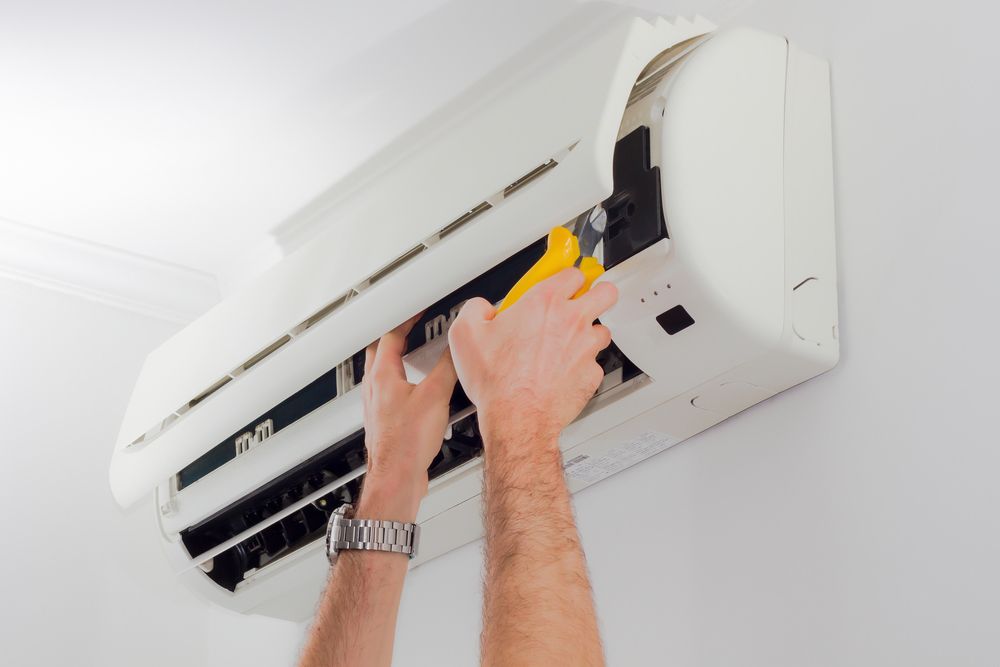
Professional servicing may include:
- Deep cleaning of coils and internal components
- Drain line clearing
- Mould treatment
- System sanitisation
- Electrical inspections
- Airflow testing
This type of maintenance helps remove odours at the source rather than masking them temporarily.
It also helps reduce strain on the system during periods of heavy use.
Why Humidity Makes Air Conditioner Smells Worse
Humidity plays a major role in air conditioning odours across Northern NSW.
Warm air carries more moisture. When an air conditioner runs constantly through humid weather, condensation forms repeatedly inside the unit.
Without proper cleaning and drainage:
- Mould develops faster
- Bacteria multiply
- Dust sticks to damp surfaces
- Odours become trapped inside the system
This is particularly common in homes and businesses near Byron Bay and surrounding coastal areas where moisture levels stay high for much of the year.
Regular servicing is one of the most effective ways to prevent these issues before they affect indoor air quality.
DIY Fixes vs Professional Repairs
Some problems are safe to handle yourself. Others should always be left to qualified technicians.
Suitable DIY Maintenance
- Cleaning filters
- Dusting vents
- Checking for visible leaks
- Running fan mode after cooling
Problems That Need a Licensed Technician
- Burning smells
- Electrical faults
- Refrigerant leaks
- Internal mould contamination
- Persistent drainage problems
- Repeated bad odours after cleaning
Attempting major repairs without proper training can damage the system further and create safety risks.
Keep Your Air Conditioner Clean and Safe
Bad smells rarely disappear on their own. Most odours become worse over time if the underlying issue is ignored.
Regular servicing helps prevent:
- Mould growth
- Electrical problems
- Drainage blockages
- Reduced airflow
- Poor indoor air quality
For property owners dealing with air conditioning odours in Lismore or nearby areas, early attention can prevent larger repair costs later.
If your system smells musty, burnt or stale, Coolman Air Conditioning can inspect, clean and service your unit properly. Whether you need help with air conditioning in Byron Bay or professional maintenance in the wider Northern NSW region, our team can identify the source of the problem and restore clean, reliable airflow.