Air conditioning in Lismore often gets judged the moment it switches on. The room cools down, the airflow feels right and the system disappears into the background of daily life. What most people do not see is how much work happens before that first clean burst of air ever reaches the room.
A proper installation is not just about mounting a unit and connecting power. It starts with assessing the property, choosing a system that suits the space and planning where each component will sit. Done well, the result feels effortless. Done poorly, the issues tend to show up later through problems or rising running costs.
That is why professional installers approach the job as a process rather than a single task. The early decisions matter more than most property owners expect.
In this guide, we walk through what happens during professional air conditioning installation, from the first site assessment through to testing, handover and the steps that help the system run smoothly long after installation day.
It Starts With A Site Assessment, Not A Box On The Wall
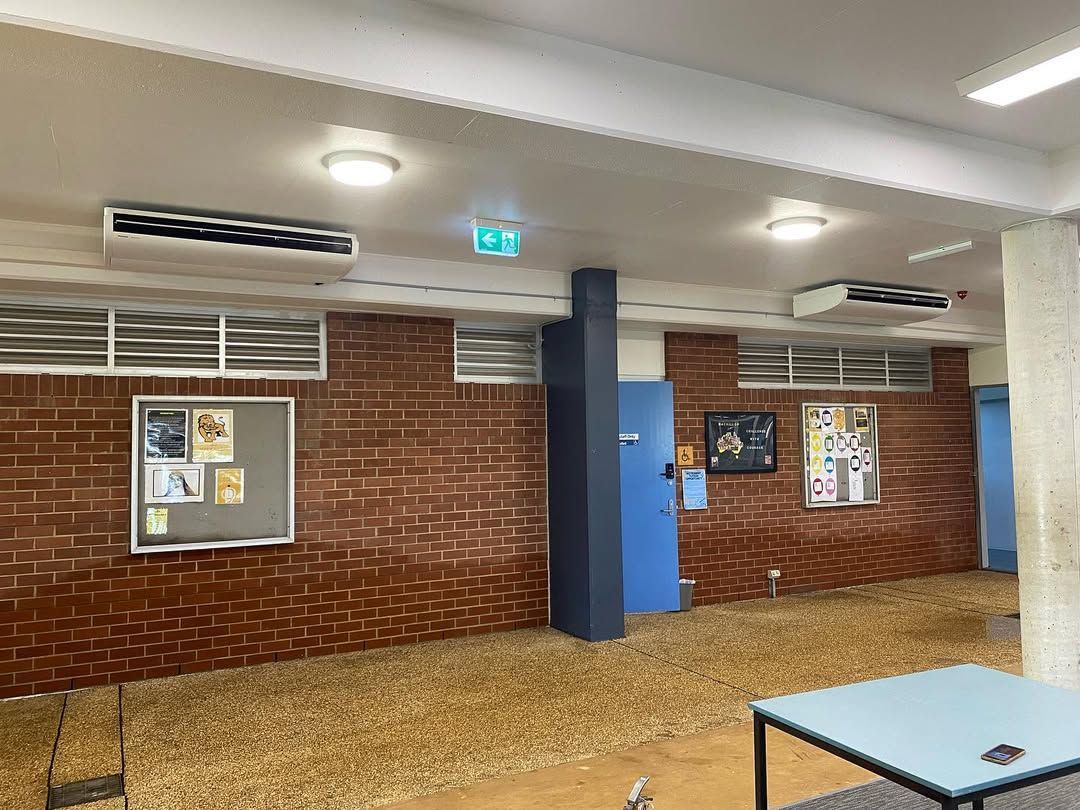
Installers first look at the size of the room, how the space is used and where heat tends to build up. They also consider the setting (residential, commercial or industrial), since those environments place different demands on the system. The goal is to understand the space before recommending equipment.
That assessment usually covers a few practical points:
- room size and layout
- ceiling height and insulation
- sun exposure and window placement
- how often the space is occupied
- access points for installation and future servicing
This stage shapes everything that follows. Good airconditioning in Lismore starts with choosing a setup that matches the real conditions of the property.
Choosing The Right System Changes Everything Later
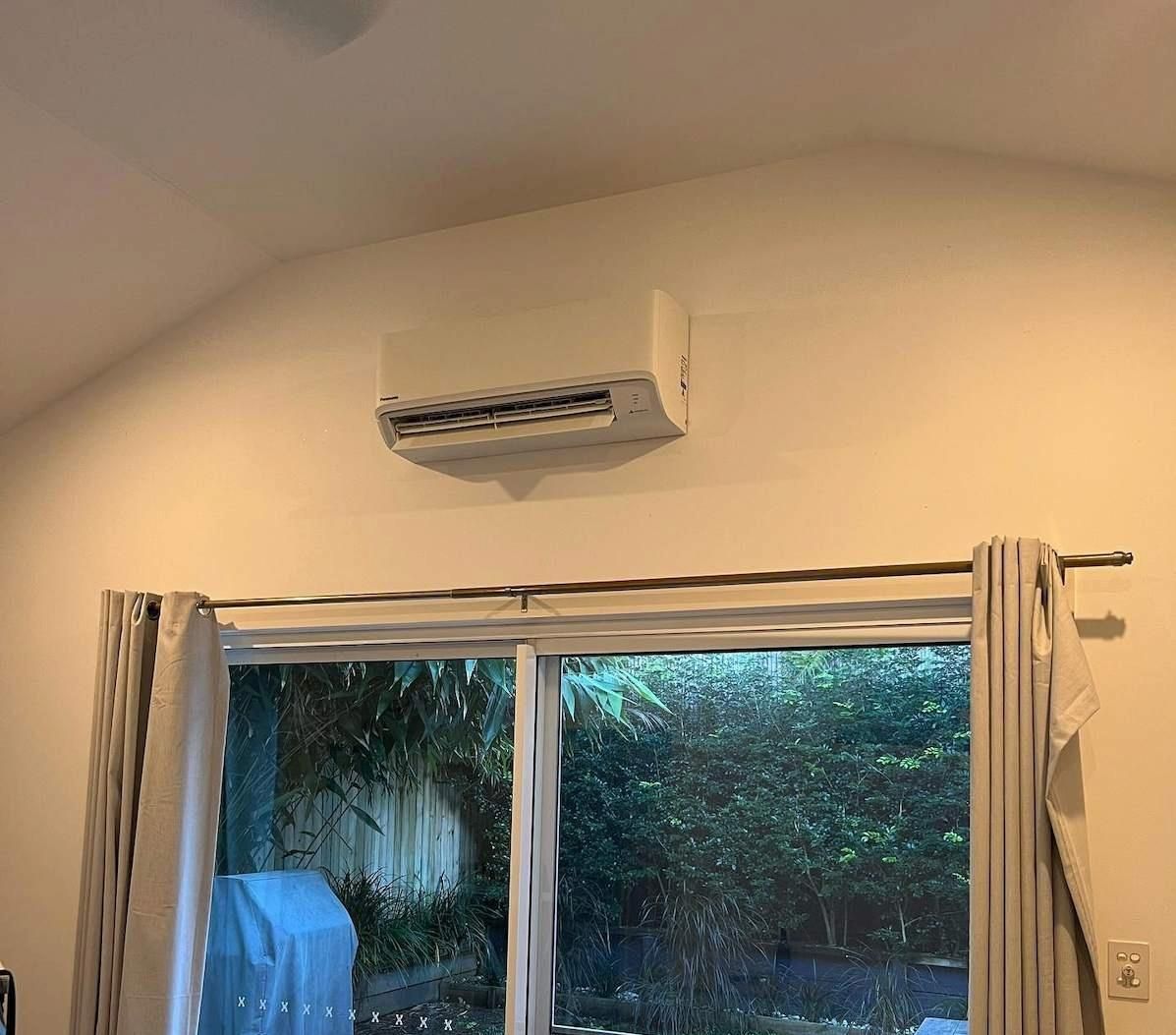
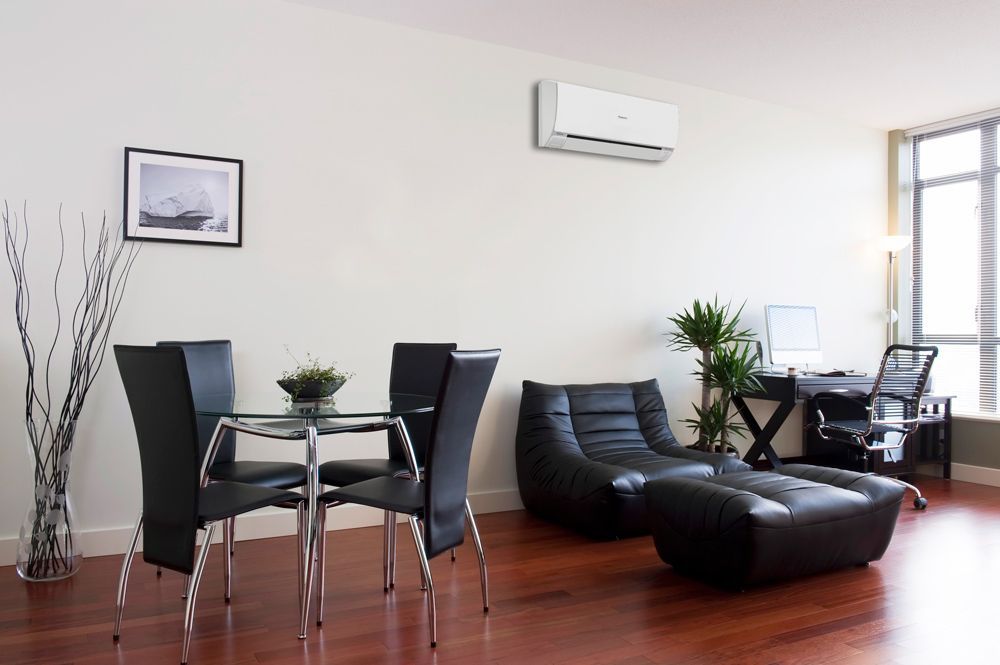
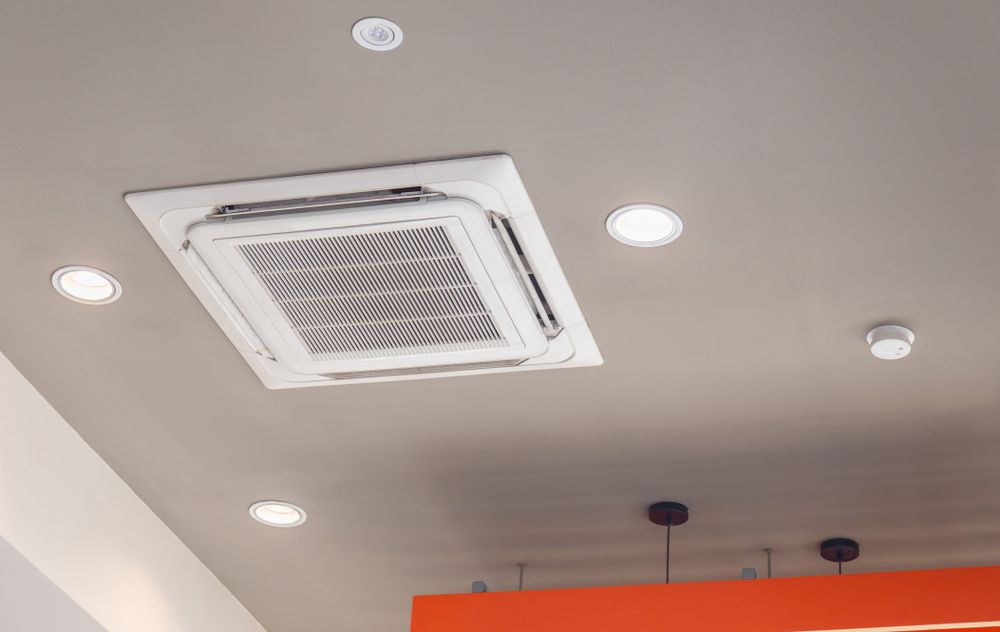
Not every property needs the same type of system. Split systems are often a practical fit for single rooms or targeted areas, while ducted systems are better suited to larger homes or workplaces where even airflow across multiple rooms matters. A professional installer weighs comfort, aesthetics and long-term operating expectations before making a recommendation.
The choice usually comes down to factors such as:
- whether one room or multiple rooms need conditioning
- how visible the system can be
- desired airflow coverage
- energy use expectations
- installation complexity and property layout
A reliable contractor promotes both split and ducted systems, with residential and shop or office solutions. That range makes the selection stage less about forcing one type to fit and more about matching the system to the space.
Placement Matters More Than Most Homeowners Expect
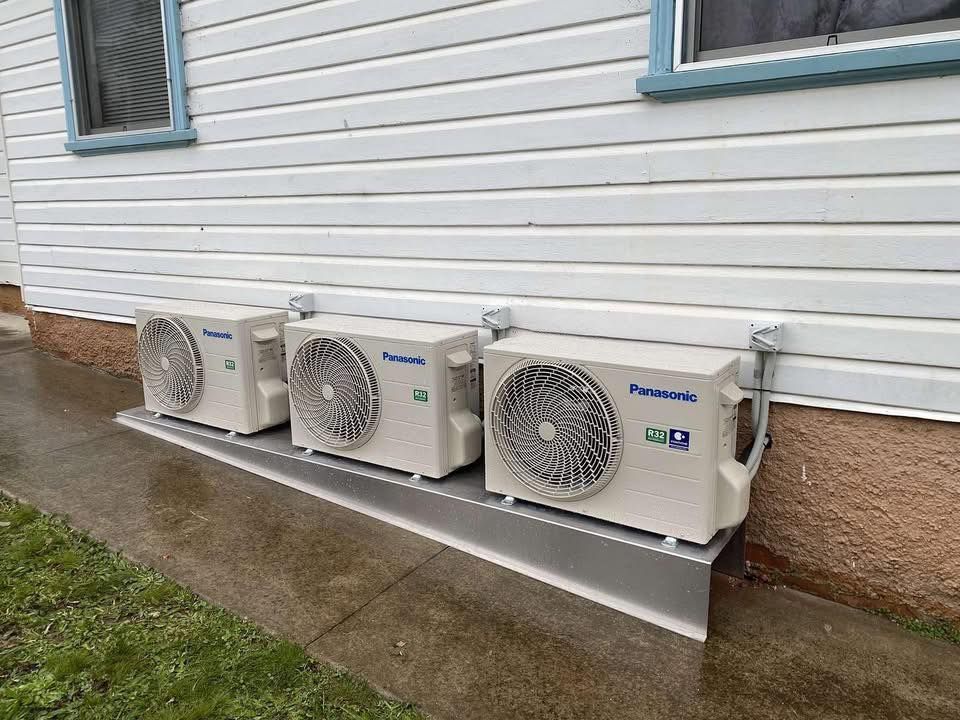
A unit can be technically installed and still be poorly placed. Indoor positioning affects airflow, noise and how evenly the room cools. Outdoor placement matters as well, especially for access, ventilation and long-term servicing.
A good placement plan usually accounts for:
- direct airflow across the occupied part of the room
- avoiding obstructions such as cabinetry or bulkheads
- suitable clearance around the indoor unit
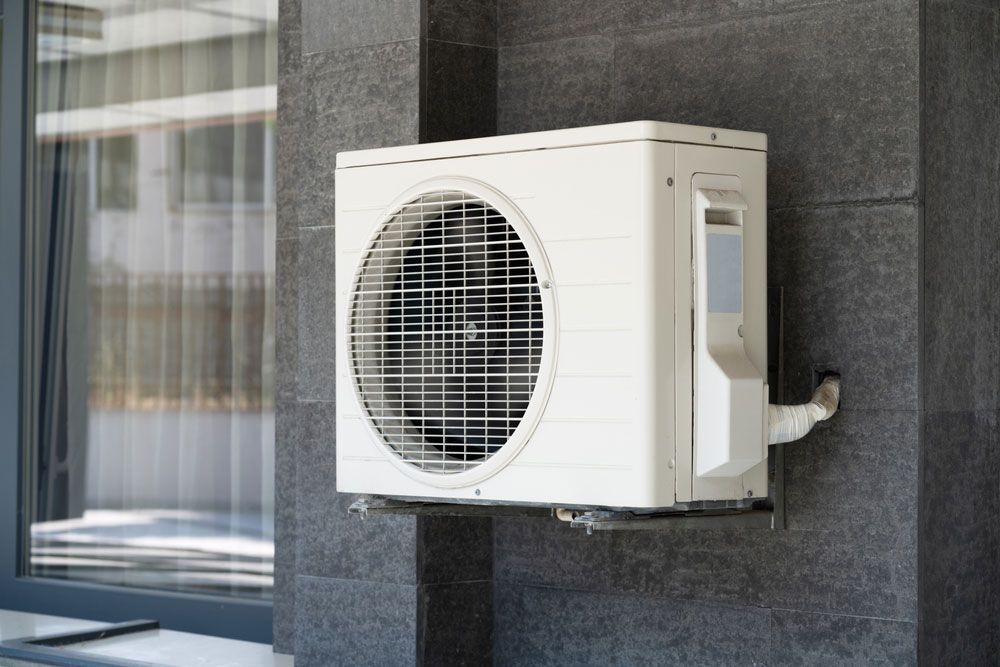
- practical and ventilated positioning for the outdoor unit
- access for future maintenance and repairs
The system may look simple once installed, but the positioning behind that finished result often determines whether it performs cleanly and quietly.
Electrical And Refrigerant Work Must Be Done Properly
Air conditioning systems rely on safe electrical connections, correctly installed refrigerant lines and compliant workmanship throughout the process. Shortcuts here do not just affect performance. They can create reliability and safety problems that show up later. Professional installers treat this stage with precision.
That usually includes work such as:
- safe connection to power supply
- compliant isolation and protection components
- refrigerant line installation and sealing
- pressure and leak checks where required
- coordination with licensed trades when needed
Licensed installers handle electrical and refrigerant connections to ensure the system operates safely and complies with relevant standards.
Ducting, Drainage And Finishing Details Shape Performance
A neat-looking install is not automatically a good one. Hidden details such as duct routing, condensate drainage and finishing work affect how well the system will run. These components tend to be forgotten because they are less visible. Performance is built into the details.
Important parts of this stage include:
- secure and efficient duct layout for ducted systems
- properly graded drainage for condensate removal
- tidy pipework and protective trunking where needed
- sealed penetrations through walls or ceilings
- finishing that supports both function and appearance
When these elements are done well, the system feels integrated rather than added on.
Testing The System Is Part Of The Installation, Not An Extra
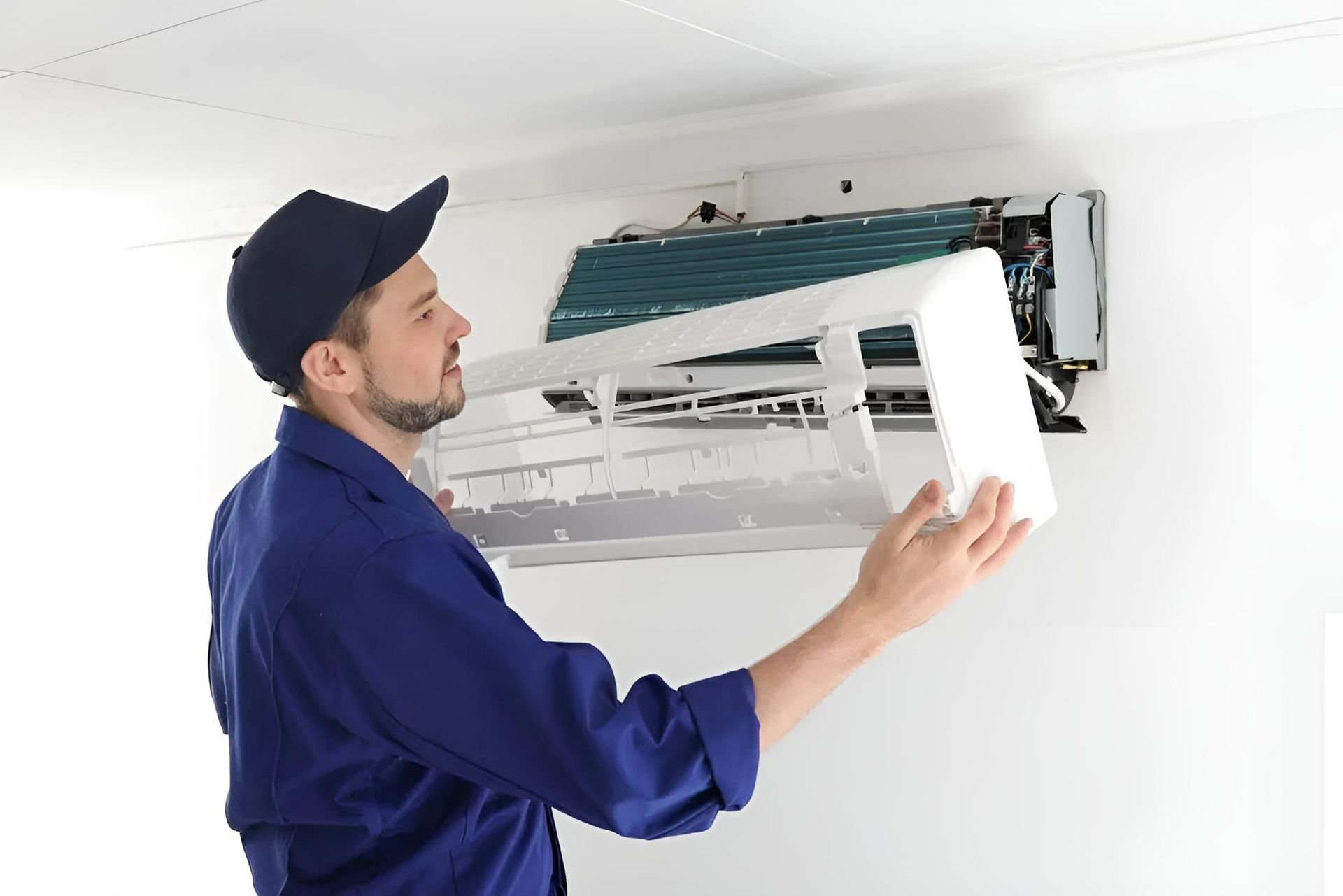
A professional installation does not end when the unit is mounted. The system needs to be run, checked and confirmed before it is handed over. Testing helps identify issues while the installer is still on site, rather than leaving the property owner to discover them later. It also confirms that the installation is not just complete, but working as intended.
That testing stage often includes:
- checking startup and shutdown response
- confirming airflow direction and performance
- testing controls and temperature settings
- checking drainage operation
- listening for abnormal vibration or noise
This step matters because installation is only successful when the system performs properly under real operation. It is one of the clearest differences between a rushed fit-off and a professional install process.
Handover Should Leave You Knowing How To Use The System
Once the system has been tested, the handover should make you feel confident rather than confused. A good installer explains how to use the controls, what settings are practical for everyday use and what basic care the system needs. That final conversation is part of the service, not an optional extra.
A useful handover usually covers:
- how to operate the controller
- ideal everyday cooling and heating settings
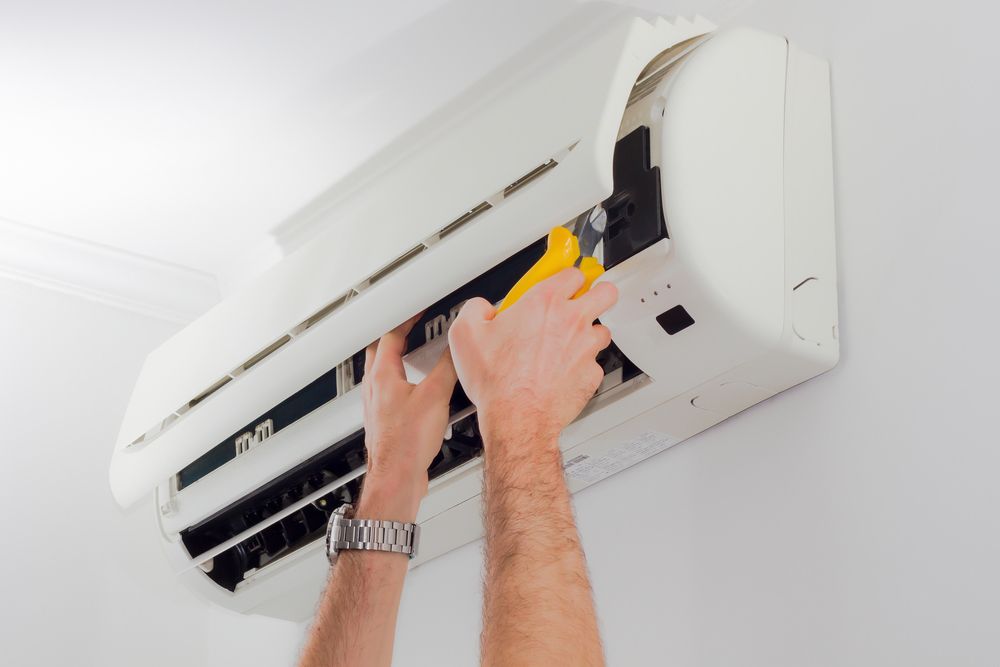
- filter cleaning basics
- when to book servicing or maintenance
- what signs may indicate a fault later on
Regular maintenance plus service and repair, makes this final stage more useful because support does not stop once the unit is installed.
Professional Installation Sets Up Everything That Comes Next
Installation is where the long-term story of the system begins. A poor installation can look acceptable at first and still cause ongoing frustration. That is why the process matters as much as the product.
Professional installation helps support:
- more even and reliable performance
- cleaner airflow and stable operation
- easier future servicing access
- reduced likelihood of avoidable faults
- stronger long-term value from the system
A reputable contractor will position installation alongside maintenance, repairs, sales and commercial air conditioning, which reflects the reality that systems do not exist as one-off purchases. When installed correctly, everything that follows has a solid base.
Here at Coolman Airconditioning we provide professional
air conditioning in Lismore, with installation services tailored to homes, shops and offices as well as ongoing support for servicing, repairs and maintenance. Based in Byron Bay and working across the Northern Rivers, we understand the conditions that shape system choice, placement and long-term performance in homes and businesses throughout the region.
Get in touch with our team to arrange expert advice or book air conditioning installation with a licensed and insured team. If you are planning a new system and want the process handled properly from assessment through to handover, we’re ready to help.