Choosing The Right Air Conditioner Size
When investing in air conditioning in Lismore property owners often focus on brand, price or features first. While these factors matter, one of the most critical decisions happens before any model is selected: choosing the correct system size. An air conditioner that is too small will struggle to keep up, while one that is too large can create just as many problems.
Understanding what size air conditioner you need is not simply about square metres. It involves assessing your layout, insulation, ceiling height and how the space is actually used. Making the right choice from the beginning helps ensure consistent comfort, lower energy costs and long-term system reliability.
Why Proper Sizing Matters
Air conditioners are designed to operate within a specific capacity range. When the system size matches the cooling demand of the room or building, it runs efficiently and maintains a steady indoor temperature.
If a unit is undersized, it will run continuously in an attempt to reach the set temperature. This constant operation increases energy consumption and accelerates wear on internal components. Over time, this can lead to more frequent repairs and a shorter system lifespan.
On the other hand, an oversized system may cool the space too quickly and shut off before completing a full cycle. While this might sound efficient, it actually reduces comfort. Short cycling prevents proper humidity control and can create uneven temperatures throughout the space.
Common Problems Caused by Incorrect Sizing
Choosing the wrong system capacity can lead to a range of performance issues:
- Higher electricity bills due to inefficient operation
- Uneven cooling with noticeable hot and cold spots
- Increased strain on compressors and fans
- Reduced indoor air quality from poor humidity control
- More frequent breakdowns and servicing needs
These issues are often mistaken for equipment faults when the real cause is incorrect sizing from the start.
What Size Air Conditioner Do I Need?
This is one of the most common questions asked by property owners: what size air conditioner do I need? The answer depends on more than just floor area. While room size provides a starting point, professional assessment goes much deeper.
Several factors influence the cooling load of a space:
Floor Area and Room Dimensions
The total square metre area of the room or building is the foundation for any sizing calculation. Larger spaces require greater cooling capacity. However, the shape of the room also matters, as open-plan layouts behave differently from smaller enclosed rooms.
Ceiling Height
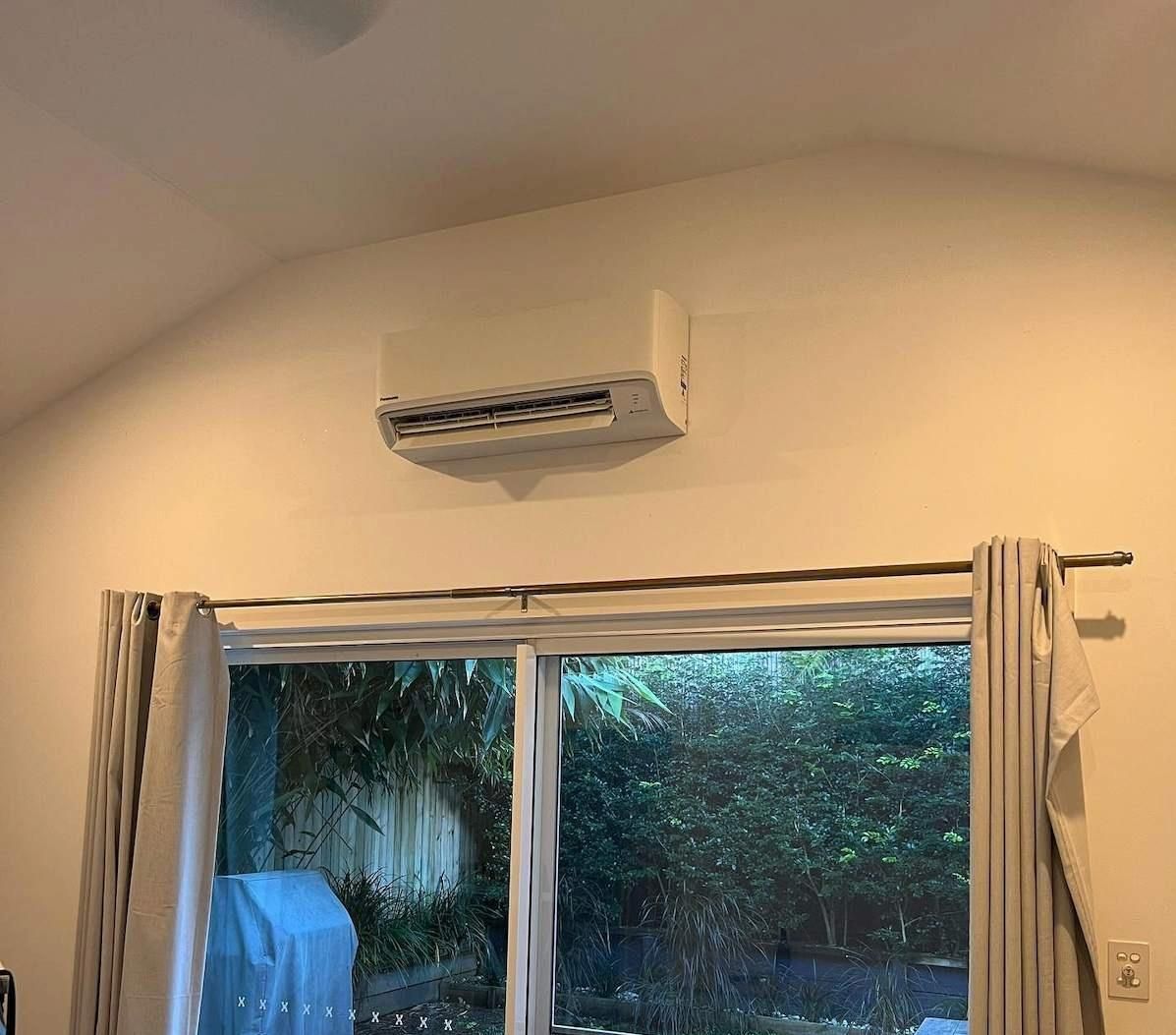
Higher ceilings increase the total air volume that needs to be cooled. A standard ceiling will require less capacity than a raked or cathedral ceiling of the same floor area.
Insulation Quality
Well-insulated homes retain cool air more effectively and reduce the workload on the air conditioner. Poor insulation allows heat to enter more easily, increasing the cooling demand.
Window Size and Orientation
Large windows, particularly those facing west or north, allow significant heat gain during the day. The type of glazing and presence of shading also affect internal temperatures.
Number of Occupants
People generate heat. A living room regularly used by multiple occupants will have different cooling requirements compared to a rarely used spare room.
Appliances and Equipment
Kitchens, offices and commercial spaces often contain heat-producing equipment. This additional load must be considered when determining system size.
The Impact of Lismore’s Climate
Air conditioning in Lismore homes and businesses rely on must be capable of handling both high temperatures and humidity. In regions where humidity levels rise during summer, air conditioners play an important role in moisture control as well as cooling.
An incorrectly sized system may cool the air quickly without adequately removing humidity. This can leave the space feeling damp or uncomfortable despite the temperature reading being lower. Proper sizing ensures longer, balanced cycles that manage both temperature and moisture levels effectively.
Split System vs Ducted System Sizing
The type of system you choose also influences sizing decisions.
Split systems are commonly used for individual rooms or smaller areas. Each unit must be sized specifically for the room it serves. Installing a larger unit than necessary in a bedroom, for example, may result in frequent short cycling and inconsistent comfort.
Ducted systems are designed to cool an entire property. These systems require detailed load calculations that consider all rooms collectively. Zoning options can further refine performance by allowing different areas to be controlled independently.
Professional assessment ensures that both split and ducted systems are matched correctly to your property’s unique layout.
Energy Efficiency and Running Costs
Correct sizing plays a major role in energy efficiency. When a system operates within its intended capacity range, it consumes power more predictably and avoids excessive strain.
Undersized units consume more electricity because they run for longer periods. Oversized systems may start and stop frequently, drawing higher bursts of power with each cycle. Both scenarios can result in higher power bills.
By selecting the appropriate capacity from the outset, you create a balance between comfort and cost control. Over time, this can significantly reduce operating expenses.
Signs Your Current System May Be Incorrectly Sized
If you already have an air conditioner installed, certain warning signs may indicate a sizing issue:
- The system runs constantly without reaching the set temperature
- Rooms cool very quickly but feel humid
- Some areas of the property remain warmer than others
- Energy bills have increased unexpectedly
- The unit frequently turns on and off in short bursts
If these symptoms are present, it may be worth having the system evaluated by a qualified technician.
Why Professional Assessment Is Essential
While online calculators and rough estimates can provide a general idea, they cannot account for the full range of variables present in real properties. Professional technicians use detailed load calculations and site inspections to determine accurate system requirements.
An expert will assess:
- Property layout and room usage
- Insulation and building materials
- Window placement and shading
- Ceiling height and roof structure
- Ventilation patterns and airflow
This thorough approach ensures the selected system delivers reliable performance in real-world conditions rather than theoretical averages.
Long-Term Benefits of Getting It Right
Choosing the correct air conditioner size is not just about immediate comfort. It influences the overall lifespan and reliability of your system.
Properly sized systems tend to:
- Maintain consistent indoor temperatures
- Operate more quietly and smoothly
- Experience fewer mechanical failures
- Deliver improved humidity control
- Provide better long-term value for money
For property owners, this means fewer unexpected repair costs and more dependable climate control throughout the year.
Making an Informed Decision
When considering a new system, it is worth taking the time to understand your property’s specific requirements. Whether you are upgrading an older unit or installing air conditioning for the first time, correct sizing lays the foundation for performance and efficiency.
By focusing on factors such as floor area, insulation, ceiling height and orientation, you move beyond guesswork and towards a solution tailored to your space. Consulting an experienced professional ensures that your investment supports comfort, energy efficiency and long-term reliability.
Selecting the right capacity for air conditioning in Lismore homes and businesses depend on is one of the most important steps in achieving dependable temperature control. With careful assessment and expert guidance, you can enjoy a system that performs exactly as it should, even during the hottest months of the year.