Winter Heating Tips: Getting The Most Out Of Your Reverse Cycle Air Conditioner In Ballina & Lismore
With winter well and truly settled over the Northern Rivers, most Ballina and Lismore homeowners are leaning on their reverse cycle air conditioner to stay warm — and many are watching their power bills climb as a result. The good news is that a few practical adjustments and
reverse cycle heating tips can make a real difference to comfort and running costs before the season's out. Here's what actually helps.
How Reverse Cycle Air Conditioning Keeps You Warm This Winter
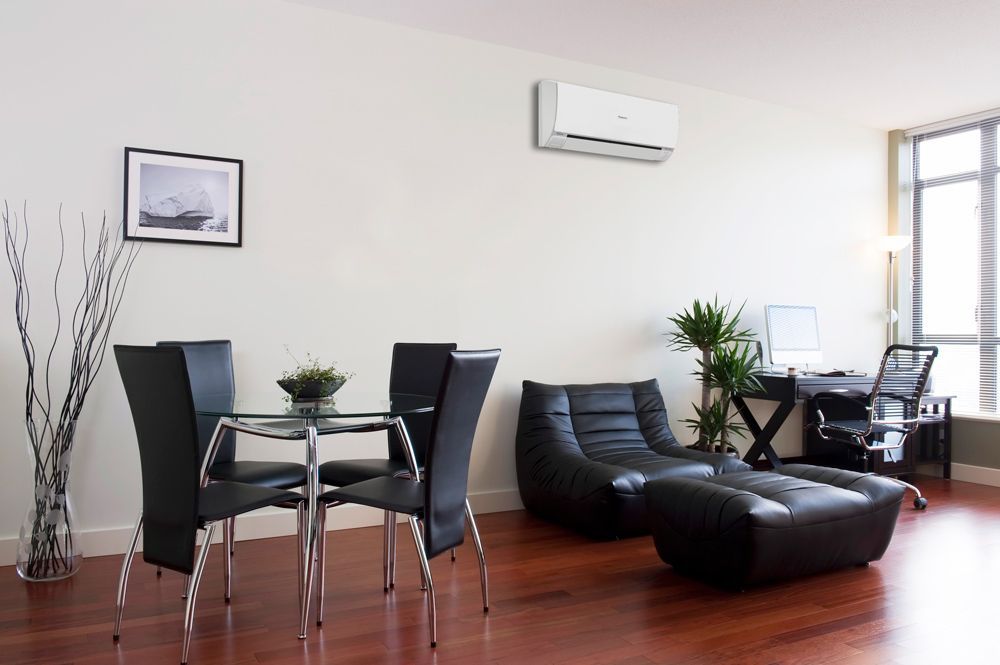
A reverse cycle system doesn't generate heat the way a traditional heater does — it moves heat instead. In winter mode, the unit extracts warmth from the outside air, even on cool days, and transfers it inside your home. This is what makes reverse cycle heating so efficient compared to other heating methods: it's moving existing heat rather than creating new heat from scratch.
This efficiency is exactly why reverse cycle systems have become the standard choice for winter heating across the region, but that efficiency depends heavily on how the system is set up and maintained. A well-configured system sips power. A neglected one works far harder than it needs to.
The Ideal Temperature Setting for Efficient Winter Heating
One of the simplest reverse cycle heating tips is also the most overlooked: your thermostat setting. Setting your system to around 18–20°C is generally considered the sweet spot for winter heating — warm enough for comfort, without forcing the unit to work overtime.
Every degree above this range adds noticeably to running costs, since the system has to work harder to maintain a higher temperature difference between inside and outside air.
If your home feels chilly at 18–20°C, it's often more cost-effective to add a layer of clothing or a throw blanket than to push the thermostat up a few extra degrees.
Mid-Winter Maintenance Checklist for Your Air Conditioner
A quick mid-season check can noticeably improve how efficiently your system runs for the rest of winter:
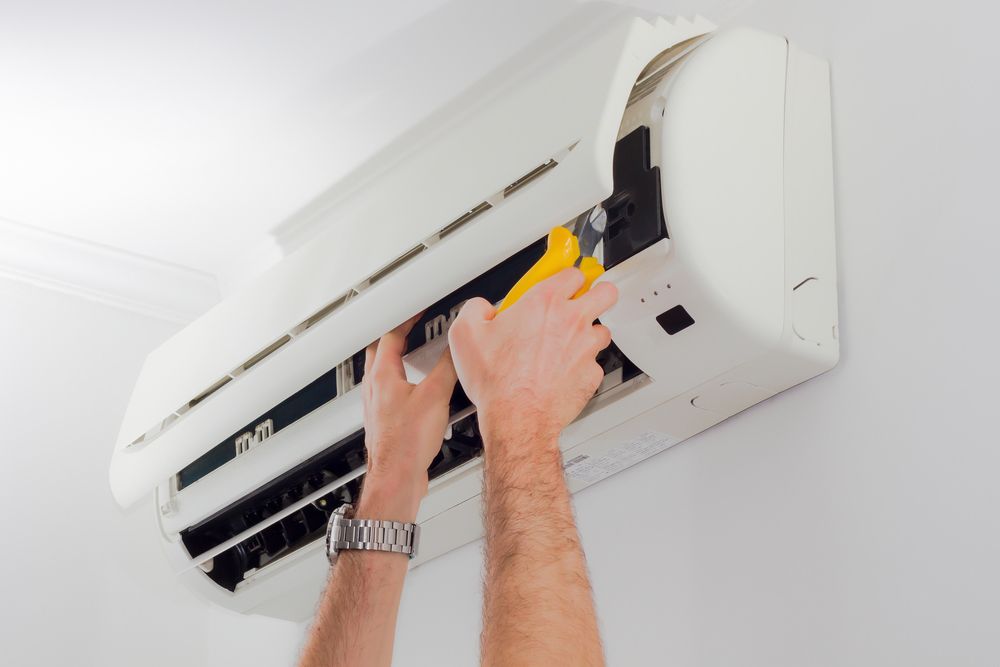
- Clean or replace filters — a dirty filter restricts airflow and forces the unit to work harder for the same heat output.
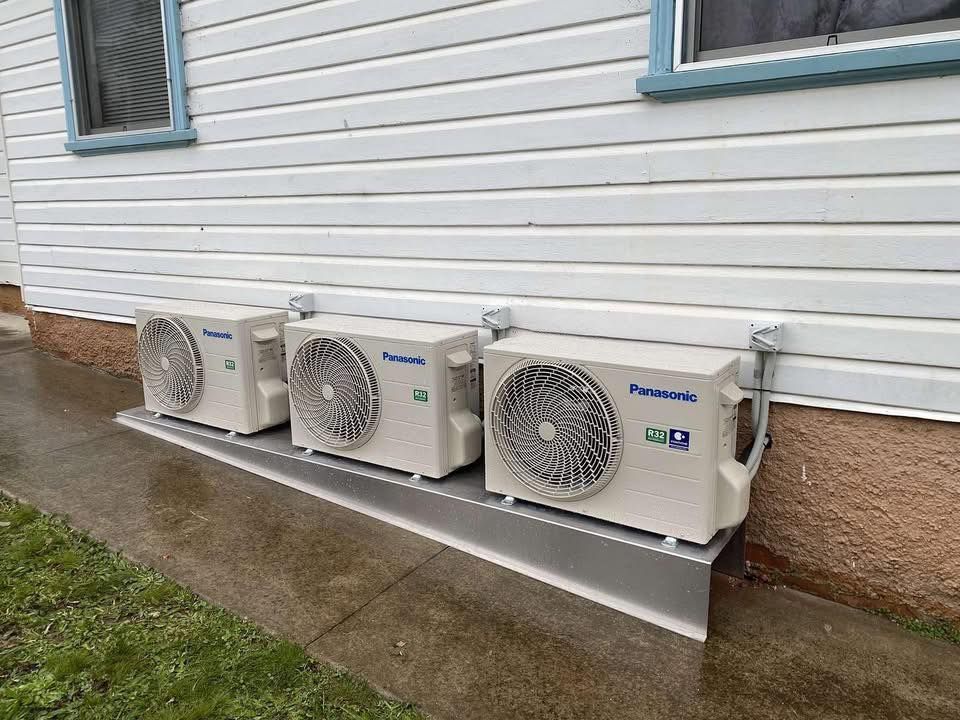
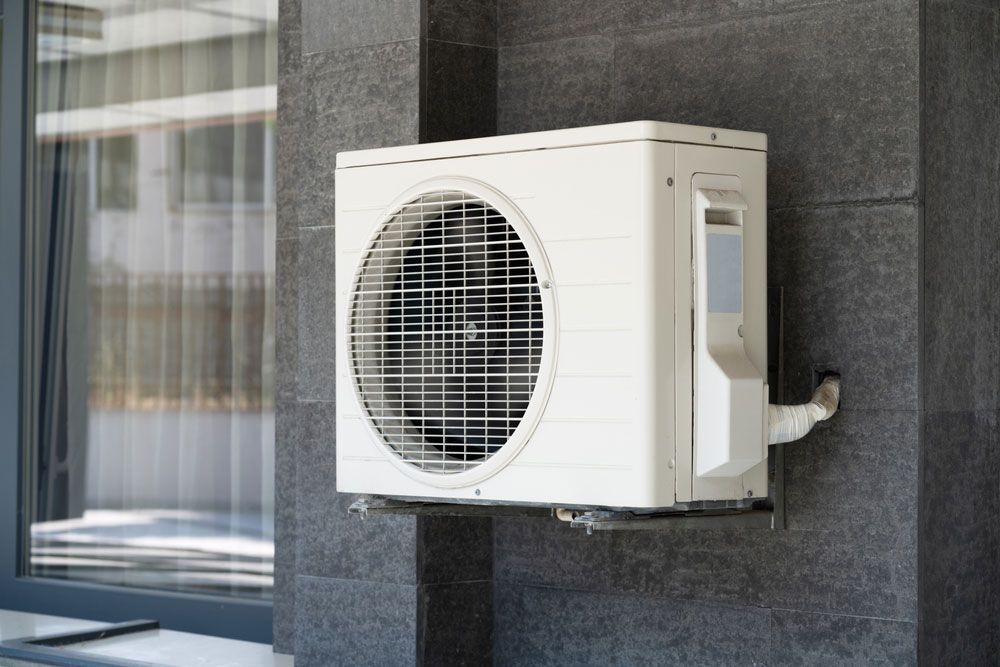
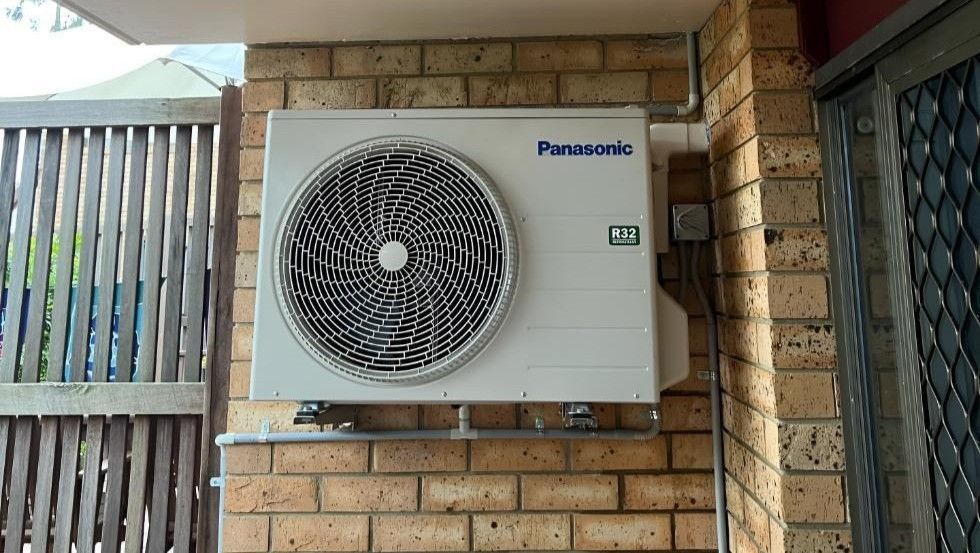
- Clear outdoor unit debris — leaves, dust and garden growth around the outdoor unit can restrict airflow and reduce efficiency.
- Check for unusual noises or smells — these are often early signs of a developing fault, best addressed before it worsens.
- Confirm even airflow through all rooms — for ducted systems, uneven heating across rooms can point to a blocked or damaged duct.
Homeowners searching for
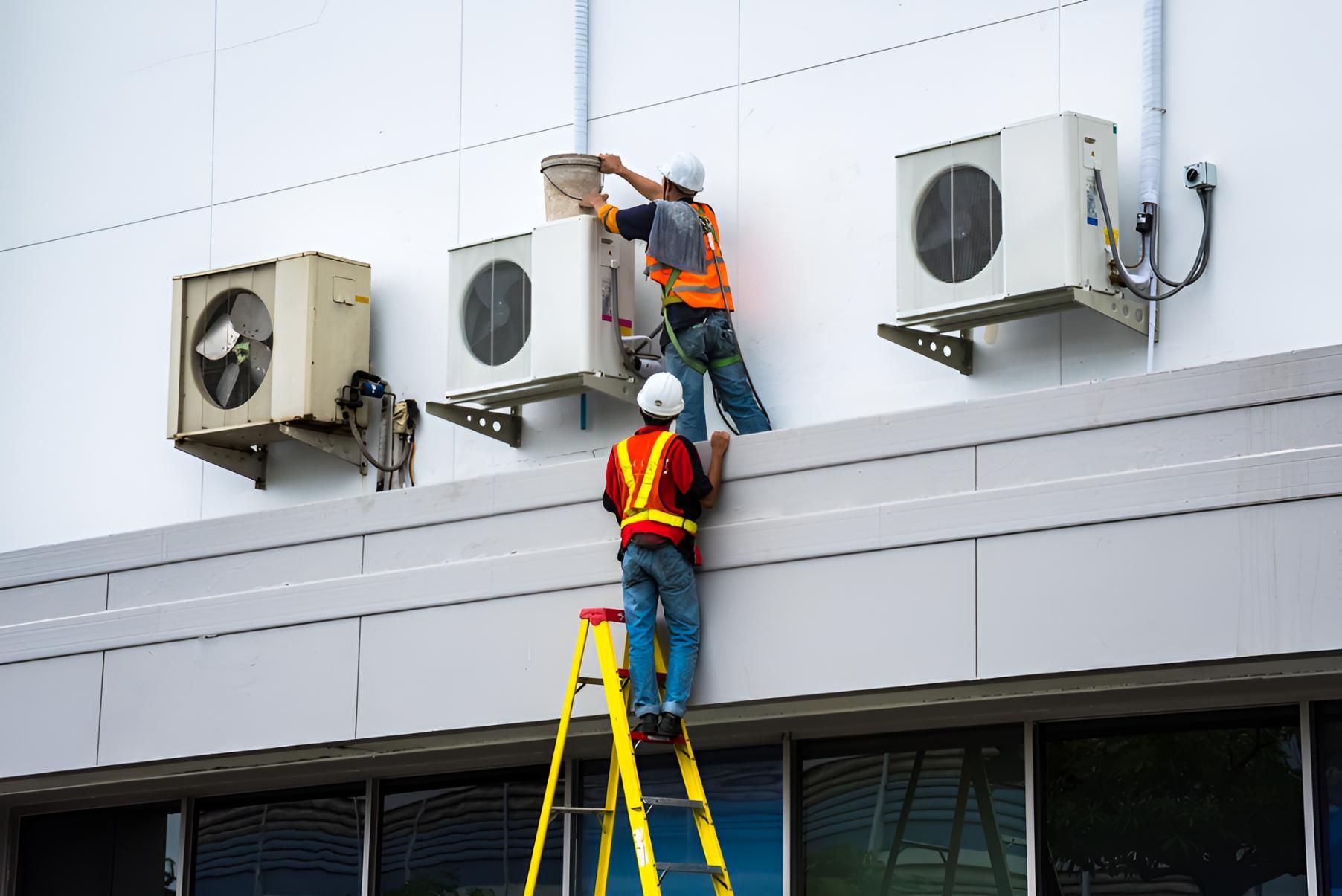
air conditioning Lismore can book a mid-season service to make sure their reverse cycle system is running at full heating efficiency through the rest of winter.
Tips to Reduce Your Winter Heating Running Costs
Reverse cycle heating cost comes down to a combination of system efficiency, home insulation and daily habits — all of which you have some control over.
Zone your heating. If you're running ducted air conditioning across a larger home, only heat the rooms you're actually using rather than the whole house at once. Closing doors and vents to unused rooms directs heat where it's needed and cuts down on wasted energy.
Seal draughts. Gaps around doors and windows let warm air escape and cold air in, forcing your system to compensate. A simple door snake or weather strip can make a surprising difference to how hard your unit needs to work.
Use timers instead of running constantly. Setting your system to warm the house before you wake up or get home, rather than running all day, avoids paying to heat an empty house.
Keep up with maintenance. Regular upkeep is the cheapest way to keep winter bills down — our guide on how to save money on air conditioning repairs covers the maintenance steps that matter most.
Coastal humidity means air conditioning Ballina systems work harder through winter, so a filter and coil clean now makes a noticeable difference to running costs.
Signs It's Time to Service or Upgrade Your System
Not every heating issue can be solved with a filter clean. It's worth booking a professional inspection if you notice:
- Rooms that never quite reach the set temperature, despite the system running constantly
- A noticeable spike in your power bill compared to previous winters
- Unusual noises, smells, or the system cycling on and off more frequently than usual
- A system that's approaching or past 10–15 years old, since older units are typically far less efficient than current models
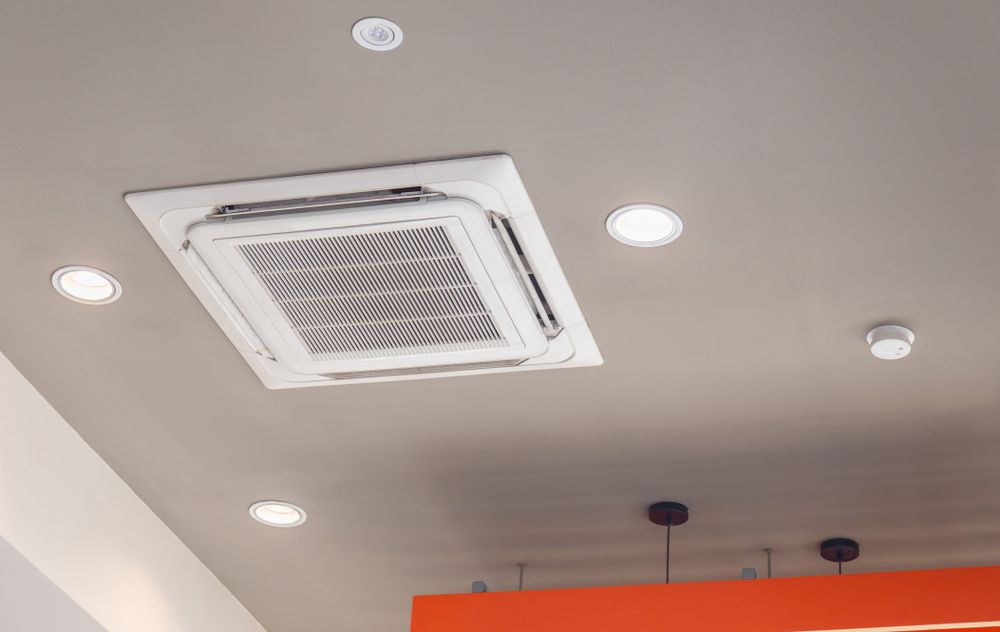
Larger homes running
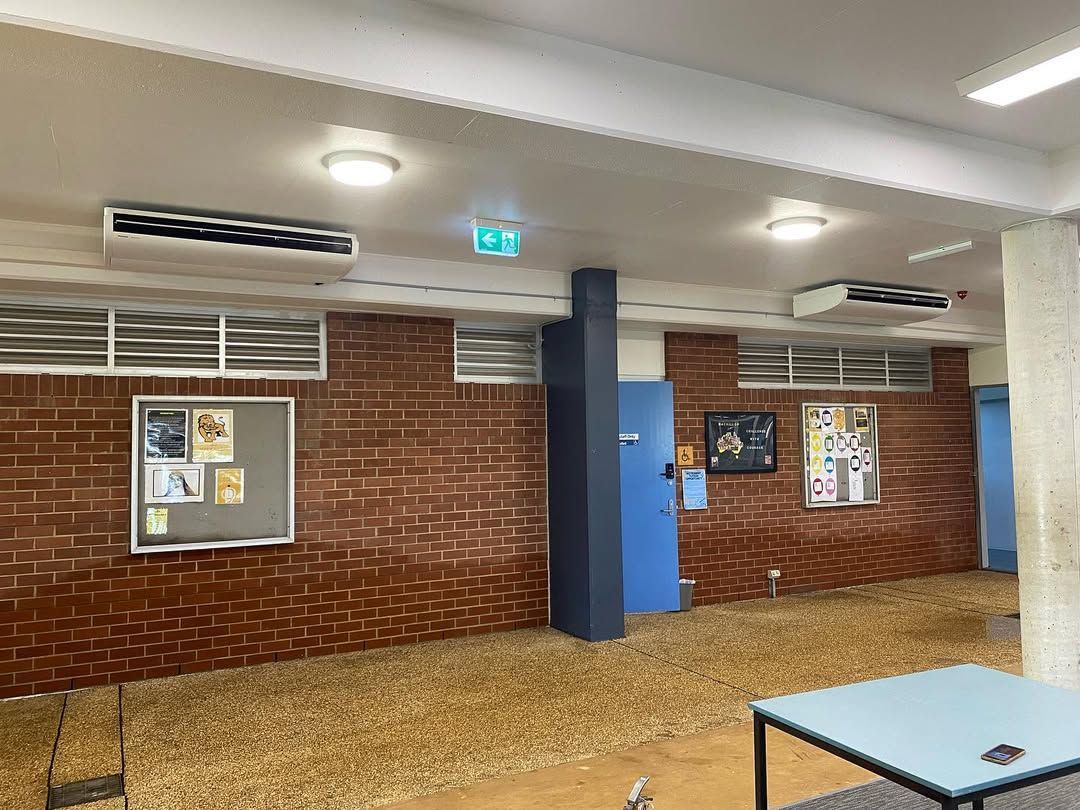
ducted air conditioning can cut winter costs further by zoning off unused rooms rather than heating the whole property — but if your current system genuinely can't keep up, no amount of zoning will fix an undersized or ageing unit.
Why Ballina & Lismore Homes Rely on Reverse Cycle Heating
Reverse cycle systems have become the go-to heating solution across the Northern Rivers because they cover both ends of the season — efficient cooling in summer, effective heating in winter — from a single system. For homes and businesses in Ballina and Lismore, that year-round versatility, combined with genuine energy efficiency compared to standalone heaters, is hard to beat.
If you've tried our reverse cycle heating tips and your system isn't keeping up this winter, or it's been a while since its last service, now's the ideal time to get it checked before the cold weather really sets in. Coolman Airconditioning has serviced homes and businesses throughout the Northern Rivers for years, and our team can help you get more heat for less cost from the system you've already got — or advise on an upgrade if it's genuinely time for one.
Call us to book a mid-winter service or chat through your options.
FAQs
What temperature should I set my reverse cycle air conditioner to in winter?
Around 18–20°C is generally the most efficient range for winter heating, offering a good balance between comfort and running cost. Setting it higher increases energy use without a proportional increase in comfort.
Why is my reverse cycle heating costing more than expected this winter?
Common causes include a dirty filter restricting airflow, an ageing or undersized system, draughts letting warm air escape, or running the thermostat higher than needed. A mid-season service can usually identify which of these is driving up your bill.
Is it cheaper to leave my reverse cycle system running all day or turn it on and off?
For most homes, using a timer to heat the house before you wake up or arrive home is more cost-effective than running the system continuously all day, since you're not paying to heat an empty house.
How often should I service my reverse cycle air conditioner in winter?
A mid-winter check is a good habit even if your system had its annual service earlier in the year, particularly for units running heavily through the coldest months. Filters, in particular, benefit from a mid-season clean or replacement.
Does ducted air conditioning cost more to run than a split system in winter?
It depends on the size of the home and how the system is used. Ducted systems can be run efficiently by zoning off unused rooms, while split systems are often more cost-effective for heating a single room or smaller living area.