Reverse Cycle Vs Split System: What's Right For Your Northern Rivers Home?

Coolman Airconditioning • September 14, 2026

If you're comparing reverse cycle vs split system air conditioning, there's an important distinction to understand: they aren't necessarily two different types of system. A split system describes how the air conditioner is configured, while reverse cycle describes its ability to both cool and heat. In fact, a lot of modern split systems installed in Northern Rivers homes are reverse cycle.


For homeowners in Byron Bay, Ballina and Lismore, understanding that difference makes it much easier to compare systems based on what actually matters: your home's size and layout, the rooms you want conditioned, installation requirements and how you'll use the air conditioning throughout the year.

What Is A Reverse Cycle Air Conditioner?

A reverse cycle air conditioner provides both cooling and heating from the same unit. Rather than only removing heat from your home during summer, the refrigeration cycle can reverse during cooler weather, allowing the system to transfer heat indoors.


That makes reverse cycle particularly practical in the Northern Rivers. Although cooling and humidity management tend to be priorities through the warmer months, inland areas such as Lismore can also experience cool winter mornings and evenings.


Instead of installing separate cooling and heating appliances, a reverse cycle unit can handle both jobs.


The key point is that "reverse cycle" describes what the air conditioner can do, not whether it is a split or ducted system. You can have a reverse cycle split system, and you can also have reverse cycle ducted air conditioning.

What Is A Split System Air Conditioner?

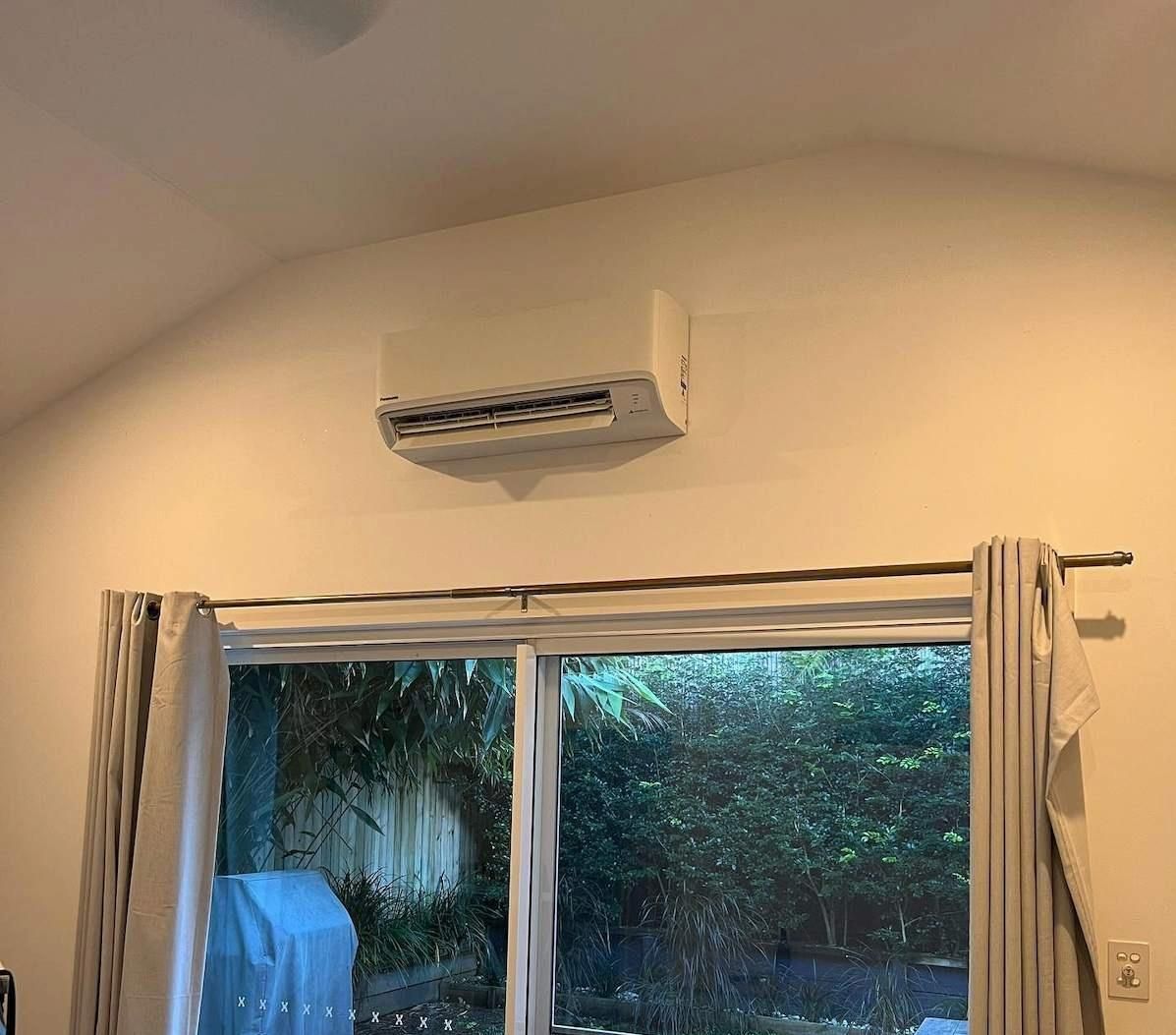
A split system air conditioner has two main components: an indoor unit that conditions the room and an outdoor unit containing components such as the compressor. Refrigerant pipework and electrical connections run between the two.


A wall-mounted split system usually conditions an individual room or defined living area. Homes with several separate zones can also use multiple split systems rather than one whole-home system.


Most contemporary residential split systems offer reverse cycle operation, so homeowners comparing a "reverse cycle air conditioner" with a "split system" may actually be looking at the same product.


Think of it this way:


  • Split system = the system's physical configuration.
  • Reverse cycle = the system can provide heating and cooling.
  • Reverse cycle split system = a split system capable of doing both.


For many Northern Rivers households, that's the combination they'll encounter when choosing a new air conditioner.

Reverse Cycle Vs Split System: What's The Actual Difference?

The difference between reverse cycle vs split system comes down to function versus configuration.


A split system gets its name because its main components are split between indoor and outdoor units. Reverse cycle technology refers to the system's ability to reverse its refrigeration cycle so it can heat as well as cool.


This means asking "Should I buy reverse cycle or split system?" isn't quite the right comparison. A more useful question is: Should I choose a reverse cycle split system or a reverse cycle ducted system?


For example, imagine a Ballina homeowner who mainly wants to cool an open-plan living room and heat it occasionally in winter. A reverse cycle split system could suit that space without requiring a whole-home duct network.


By contrast, a larger family home where several bedrooms and living spaces regularly need conditioning may be better suited to a ducted system with appropriate zoning.


The right choice depends on how your household uses the property rather than the terminology printed on the unit.

Why Does Reverse Cycle Air Conditioning Suit The Northern Rivers Climate?

Northern Rivers homes have to contend with warm summers, high humidity and significant differences between coastal and inland conditions. Choosing the best air conditioning for a humid climate therefore involves more than simply looking at a unit's cooling output.


Correct system sizing is particularly important. An oversized or undersized air conditioner can affect comfort, efficiency and humidity control, which is why capacity should suit the room dimensions, insulation, windows, orientation and heat load rather than being chosen on floor area alone.


A properly selected reverse cycle system gives Northern Rivers homeowners one appliance for year-round climate control. During warm, humid weather it cools the space and removes moisture from the indoor air as part of the cooling process. When temperatures drop, reverse cycle operation provides heating without requiring a separate heater.


Location matters too. The requirements for air conditioning in Byron Bay can differ from those of an inland Lismore property due to factors such as exposure, building design and local conditions.


Coastal installations also require careful consideration of outdoor-unit positioning and environmental exposure. According to industry best practice, system selection should consider the property and installation environment alongside the manufacturer's specifications.

Split System Vs Ducted: Which Is Better For Your Home?

Once you understand that both systems can provide reverse cycle heating and cooling, split system vs ducted becomes the more useful comparison.


Split systems generally make sense when you want independent climate control in one room or a small number of key spaces. Ducted systems become more attractive when you want a discreet, centralised solution capable of conditioning multiple rooms.

When Should You Choose A Split System?

A split system can be a practical choice when:


  • You mainly use air conditioning in one or two rooms.
  • You want individual temperature control for specific areas.
  • Installing ductwork isn't practical.
  • You're adding air conditioning to an existing home.
  • You want to expand your air conditioning room by room.


For example, a couple living in a smaller Byron Bay home may spend most of their time in an open-plan kitchen and living area, while only needing occasional cooling in a bedroom. Installing separate systems in the spaces they actually use may make more sense than conditioning the entire property.


For many local properties, split system air conditioning in Byron Bay offers a flexible way to target the rooms where heating and cooling are needed most.

When Should You Choose Ducted Air Conditioning?

Ducted systems suit homeowners who want to condition several rooms from one central system. The indoor unit is generally concealed within the roof space, with conditioned air distributed through ducts and ceiling or wall outlets.


A ducted installation may suit:


  • Larger family homes.
  • Properties with several frequently occupied rooms.
  • Homeowners who prefer minimal visible equipment indoors.
  • New builds or major renovations where ductwork can be planned early.
  • Households wanting central controls and zoning.


Larger properties requiring ducted air conditioning may benefit from the convenience of controlling multiple areas through one integrated system.


Zoning can also allow different parts of the house to operate separately, depending on the system design. That means unused areas don't necessarily need the same level of conditioning as occupied rooms.

How Do You Choose Between Split System And Ducted Air Conditioning?

Start with how many rooms you genuinely need to heat or cool at the same time. That question often provides a clearer direction than comparing equipment specifications alone.


A practical decision process looks like this:


  1. Identify the rooms you use most. If your cooling needs centre on a living room and one bedroom, split systems may provide the targeted control you need.
  2. Consider simultaneous use. A household that regularly conditions four bedrooms and multiple living spaces has very different requirements from someone cooling one room at a time.
  3. Assess the building. Available roof space, ceiling design, insulation, room dimensions, glazing and outdoor-unit locations can all affect what's practical.
  4. Think about zoning. If different family members use different parts of the house throughout the day, compare how each proposed system handles those zones.
  5. Plan for year-round use. If you also need heating during winter, confirm you're comparing reverse cycle models.
  6. Have the required capacity assessed. Don't select a system solely because a similar-sized house uses it. Building orientation, insulation and glazing can substantially change the heat load.


If you're still weighing your options, Coolman's guide on how to choose the right air conditioning system for your home covers the broader factors worth considering before installation.

What Air Conditioning Works Best In Byron Bay, Ballina And Lismore?

There isn't one air conditioning system that's automatically best for every Northern Rivers home. The right system depends on the property, its location and how the occupants use it.


In Byron Bay, homeowners may place a high priority on summer cooling and humidity control, while coastal exposure can also influence where and how outdoor equipment should be installed.


For air conditioning in Ballina, similar subtropical conditions make correct sizing and placement important. A smaller home or apartment may be well suited to one or two reverse cycle split systems, whereas a larger multi-room property could justify ducted air conditioning.


Homeowners considering a reverse cycle air conditioner in Lismore may value heating performance more frequently during cooler inland winter conditions while still needing effective cooling through summer.


Rather than choosing purely by suburb, Coolman Air Conditioning assesses the building itself. Room size, insulation, windows, orientation, occupancy and the areas you actually want conditioned all influence the appropriate system and capacity.

Why Does Professional Air Conditioning Installation Matter?

Even a high-quality air conditioner won't perform as intended if the system selection or installation doesn't suit the property.


With a split system, installers need to consider indoor airflow, outdoor-unit ventilation, pipe runs, condensate drainage and access for future servicing. A ducted installation adds further considerations, including duct design, outlet placement, return-air positioning and zoning.


Capacity selection matters just as much. Simply choosing a larger unit doesn't guarantee better cooling. The aim is to install equipment matched to the calculated demands of the space and the manufacturer's installation requirements.


Coolman Air Conditioning installs both split and ducted systems across the Northern Rivers, so homeowners aren't limited to one approach. The focus can stay on selecting the system that suits the property rather than trying to make the property fit a predetermined product.

What's The Right Choice For Your Northern Rivers Home?

For most homeowners, the first decision isn't really reverse cycle vs split system. Most modern split systems already provide reverse cycle heating and cooling.


The more useful choice is between a reverse cycle split system for targeted rooms and a reverse cycle ducted system for broader, integrated climate control. Smaller homes and households that condition only selected rooms often benefit from split systems, while larger homes with several regularly occupied spaces may find ducted air conditioning more suitable.


Before deciding, have the property assessed for capacity, layout, installation constraints and the way your household actually uses each space. Coolman Air Conditioning's our installation team can assess those factors and recommend a split or ducted solution suited to your Northern Rivers home.

Frequently Asked Questions

What is a reverse cycle air conditioner?

Is a split system the same as reverse cycle air conditioning?

Is split system or ducted air conditioning better?

Is reverse cycle air conditioning suitable for the Northern Rivers?

What size split system do I need?

Can a split system help with humidity?

Modern Split System Illustrating Reverse Cycle Heating Tips
By Coolman Airconditioning July 29, 2026
Stay warm with practical reverse cycle heating tips to improve comfort, lower energy costs and heat your home efficiently. Read more today.
Hallway With Wall-mounted Air Conditioners, Illustrating When To Replace Air Conditioner Systems
By Coolman Airconditioning July 14, 2026
Know when to replace air conditioner to improve comfort, reduce energy costs and avoid breakdowns. Learn more today.
Installed Air Conditioner in The Work Area
By Coolman Airconditioning May 19, 2026
Why does my aircon smell? Learn common air conditioning issues in Byron Bay and book expert repairs to restore fresh airflow.

Couple sitting in living room with air conditioner
April 15, 2026
Can air conditioning make you sick? Learn how poor maintenance affects air quality, common health risks and how Lismore homeowners can keep systems clean.
Two workers, one standing on a ladder, installing a commercial air conditioner.
By Coolman Airconditioning March 20, 2026
Coolman Airconditioning explains what happens during professional air conditioning installation, from site assessment through testing and handover.
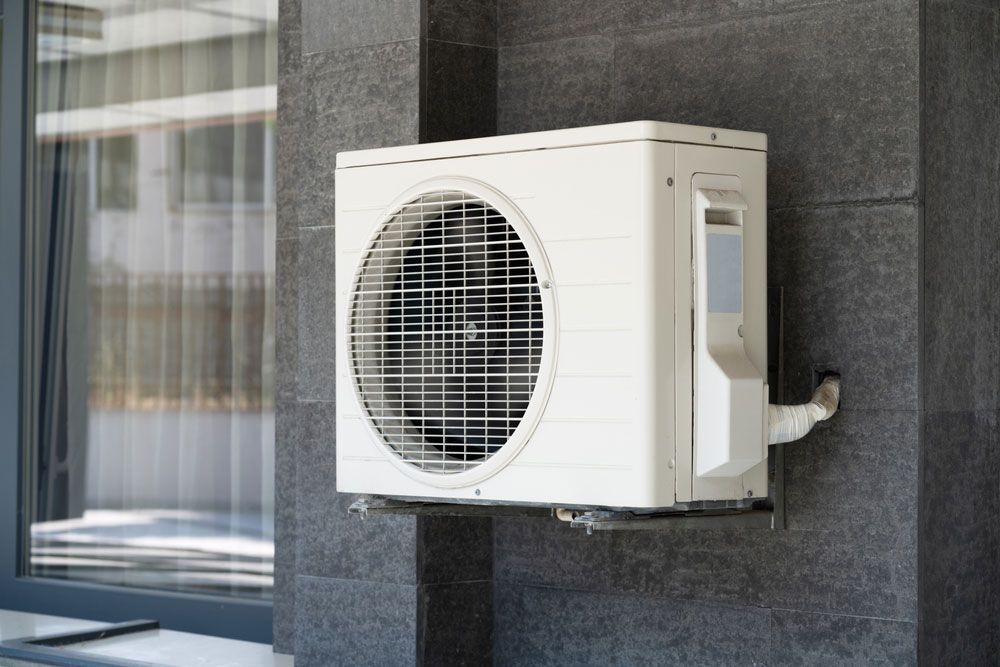
External Unit For An Air Conditioning System
By Coolman Airconditioning February 23, 2026
Get expert advice for air conditioning in Lismore to ensure that you get the correct size for your property. Read our blog or call us to learn more.

A Residential Air Conditioning System In Lismore
By Coolman Airconditioning January 6, 2026
Learn how air conditioning in Lismore impacts indoor air quality, comfort and health at home. Get practical tips and read the guide today.
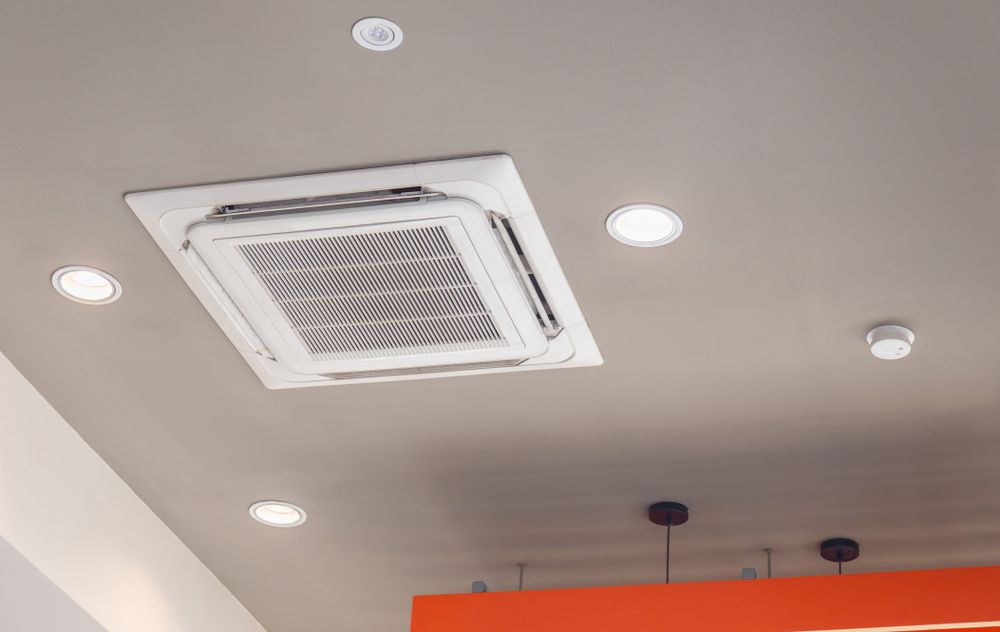
A Businesses Air Conditioning System
By Coolman Air Conditioning December 22, 2025
Learn why reliable commercial air conditioning keeps businesses productive, safe and compliant while reducing downtime. Discover the benefits today.
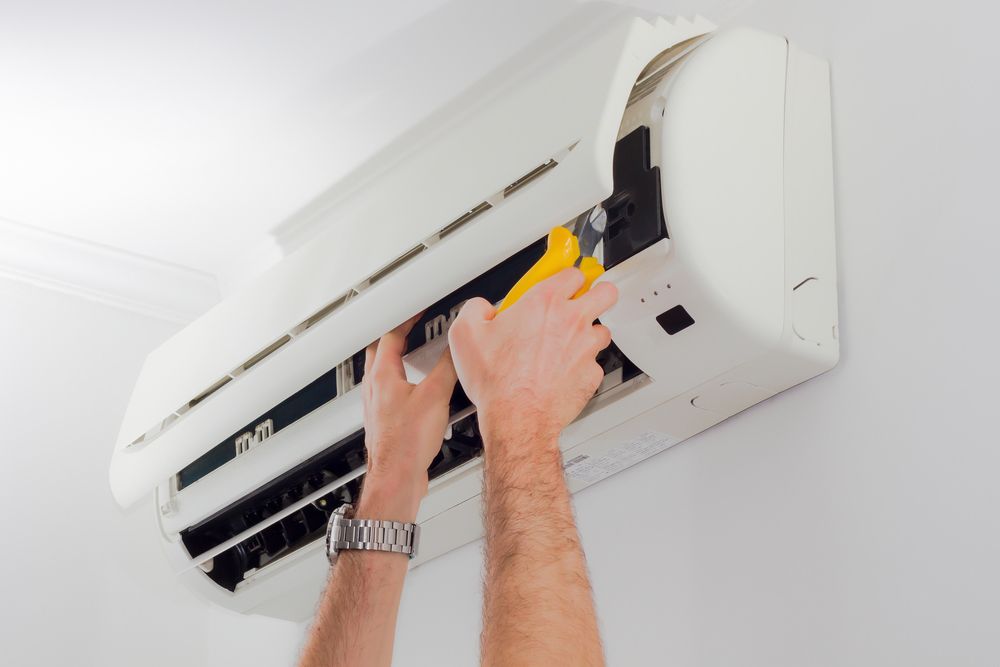
An Ongoing Aircon Installation
By Coolman Airconditioning September 22, 2025
Improve air quality and comfort with expert aircon installation services in the Northern Rivers. Click to learn more today.
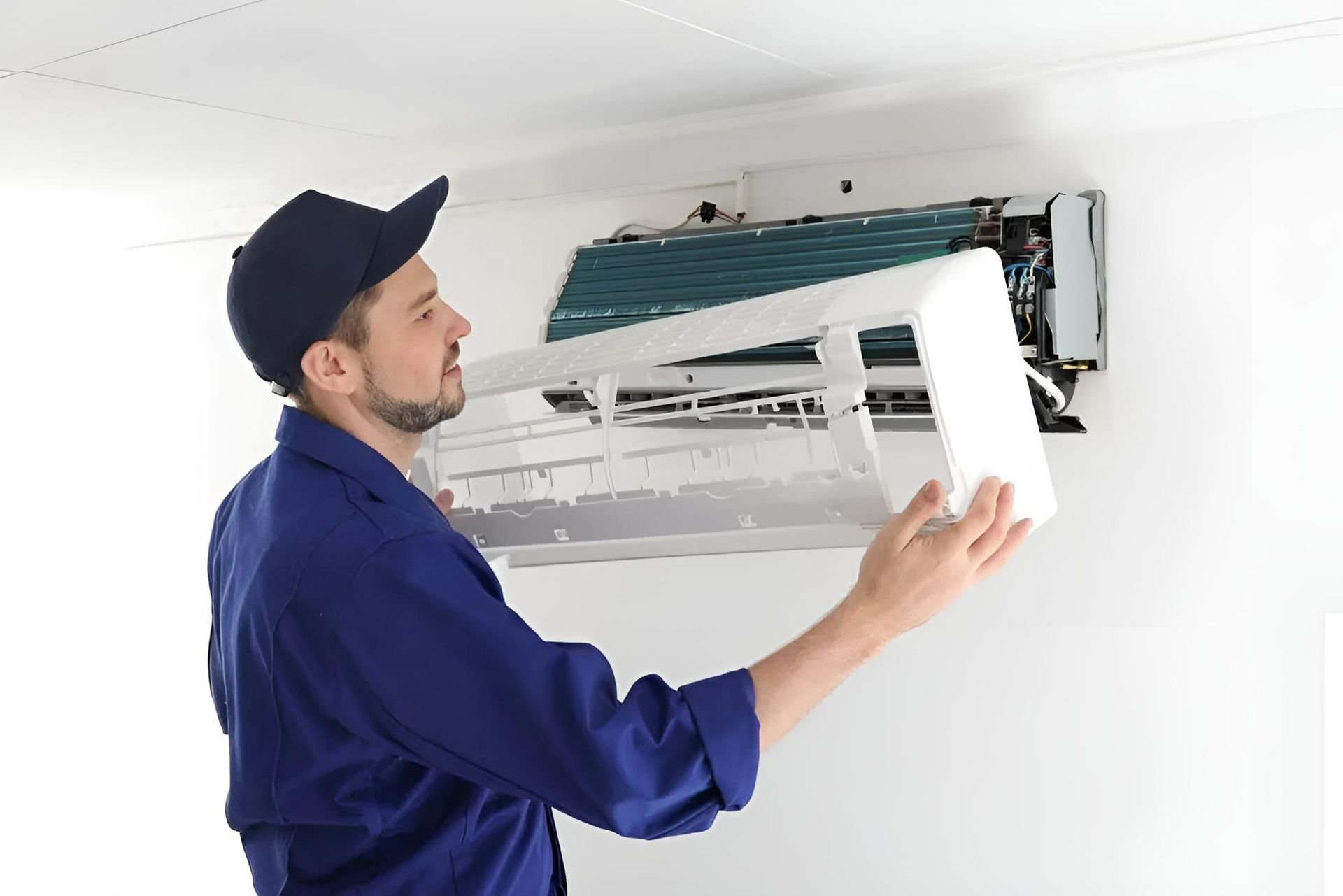
Technician in uniform servicing a wall-mounted air conditioner by removing the front cover panel.
By Coolman Airconditioning August 1, 2025
Coolman Air Conditioning checks filters, fins, coils and more during a service to keep your air conditioner running efficiently all year-round.

Show More