Installing Air Conditioning In A Rental: A Guide For Northern Rivers Tenants And Landlords
Can a tenant install an air conditioner? In a NSW rental, a tenant should generally get the landlord's written permission before installing a fixed split system. Unlike a portable unit, split-system installation alters the property and involves refrigerant pipework, indoor and outdoor units and electrical work.
For Northern Rivers renters facing a hot, humid summer, that doesn't mean air conditioning is off the table. It means tenants and landlords should agree on the system, installation and costs before work begins.
Can a Tenant Install an Air Conditioner in NSW?
A tenant shouldn't arrange a permanent split-system installation without first checking their tenancy agreement and obtaining any required written permission from the landlord.
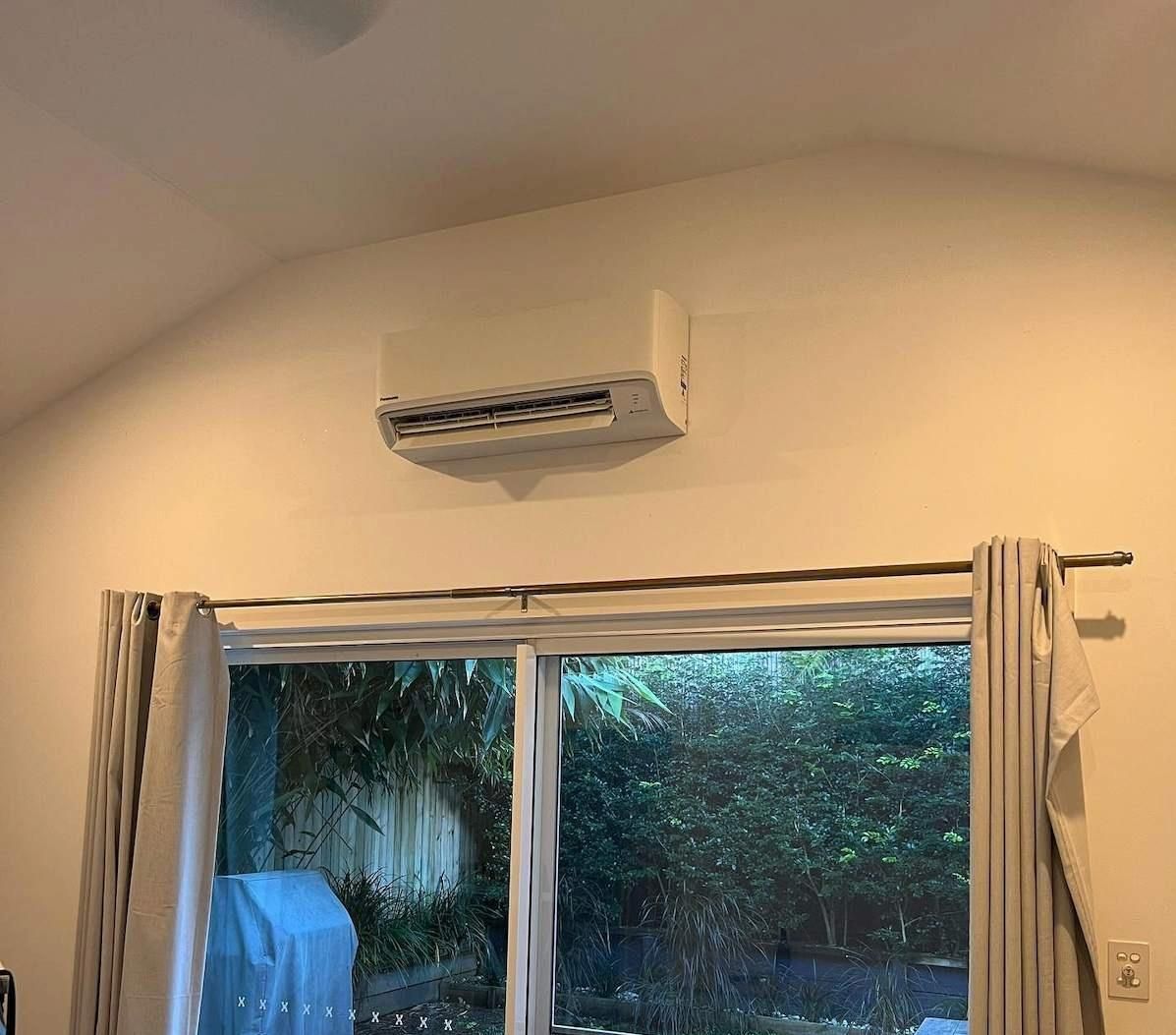
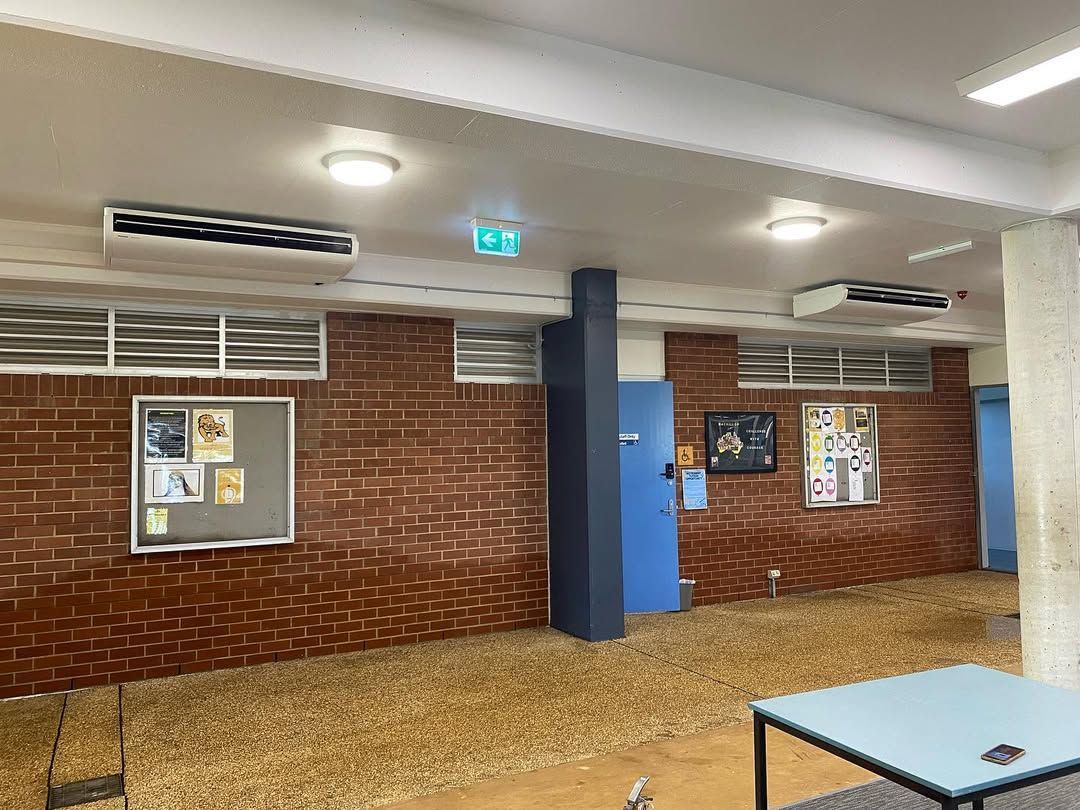
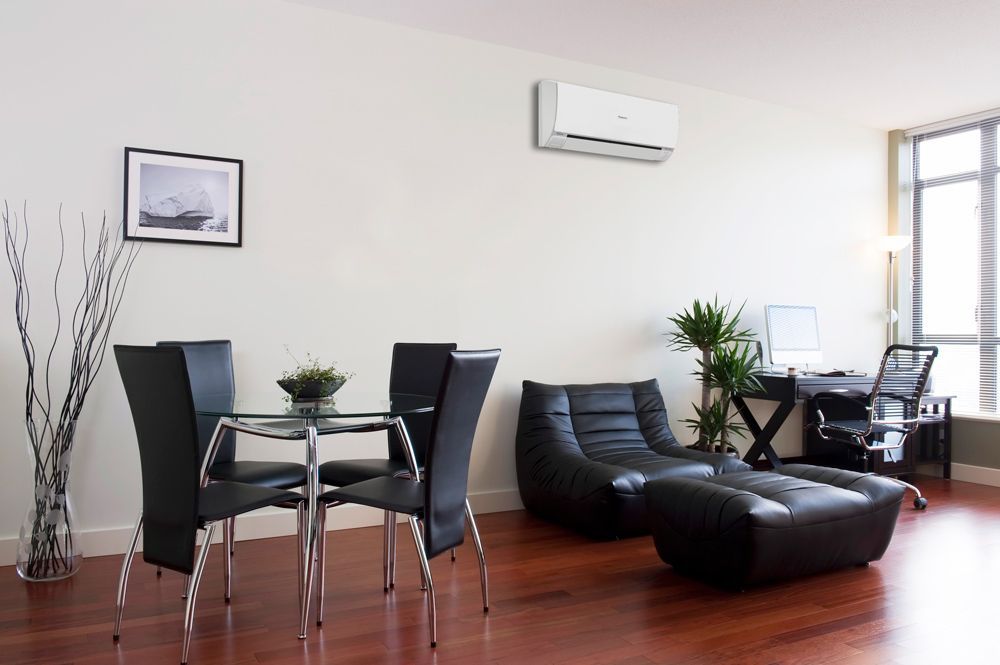
NSW Fair Trading advises that tenants can make changes if their lease allows them or the landlord gives written permission. Some minor changes have additional protections, but a fixed split system can involve permanent modifications to the building, so it shouldn't be treated like plugging in a portable appliance. A typical split-system installation can involve:
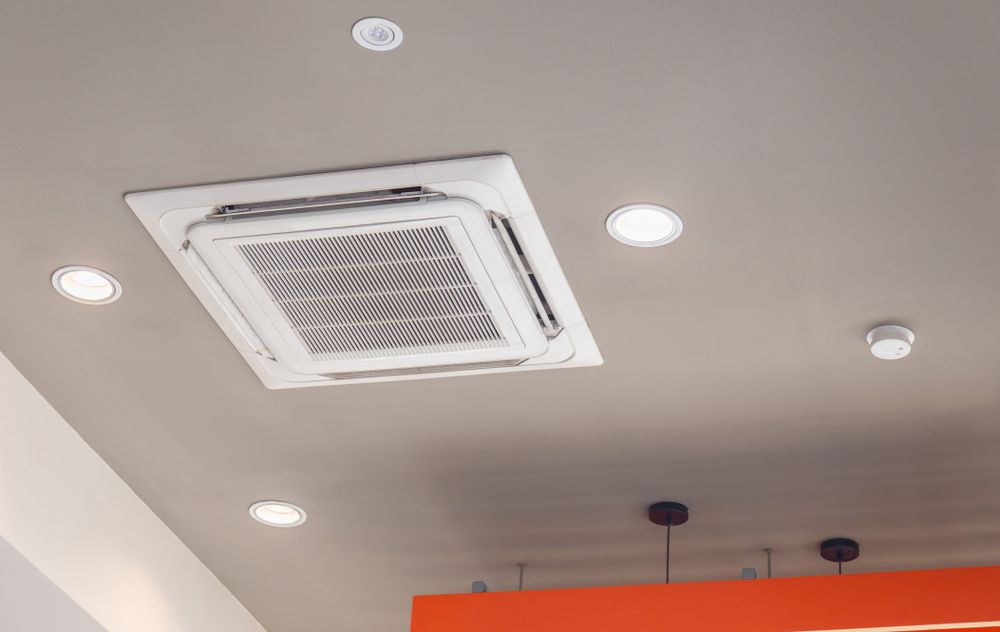
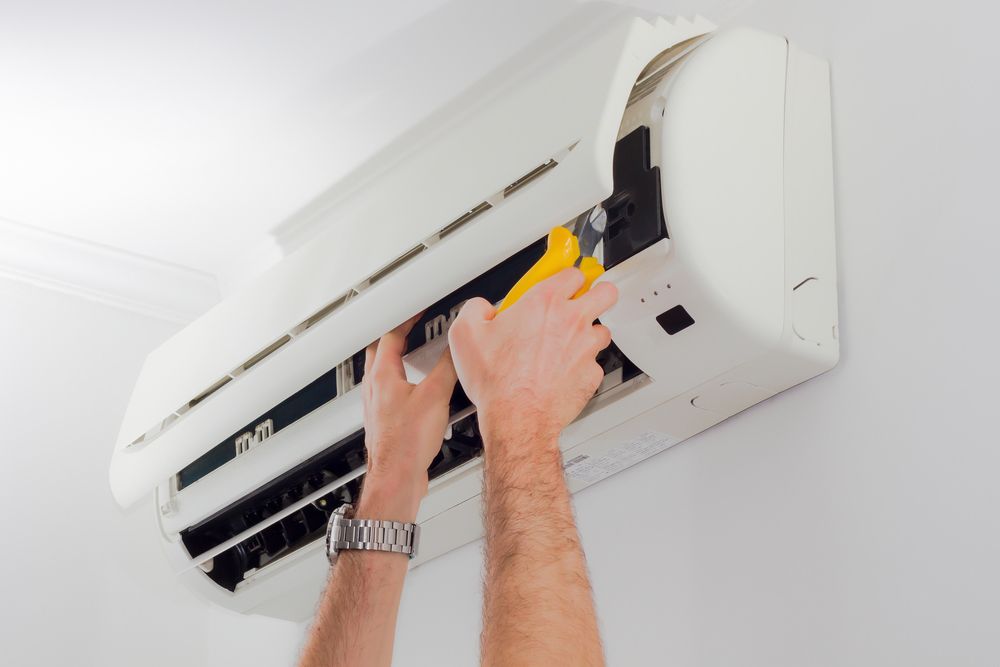
- Mounting an indoor unit to a wall
- Creating a penetration through an external wall
- Installing refrigerant and drainage pipework
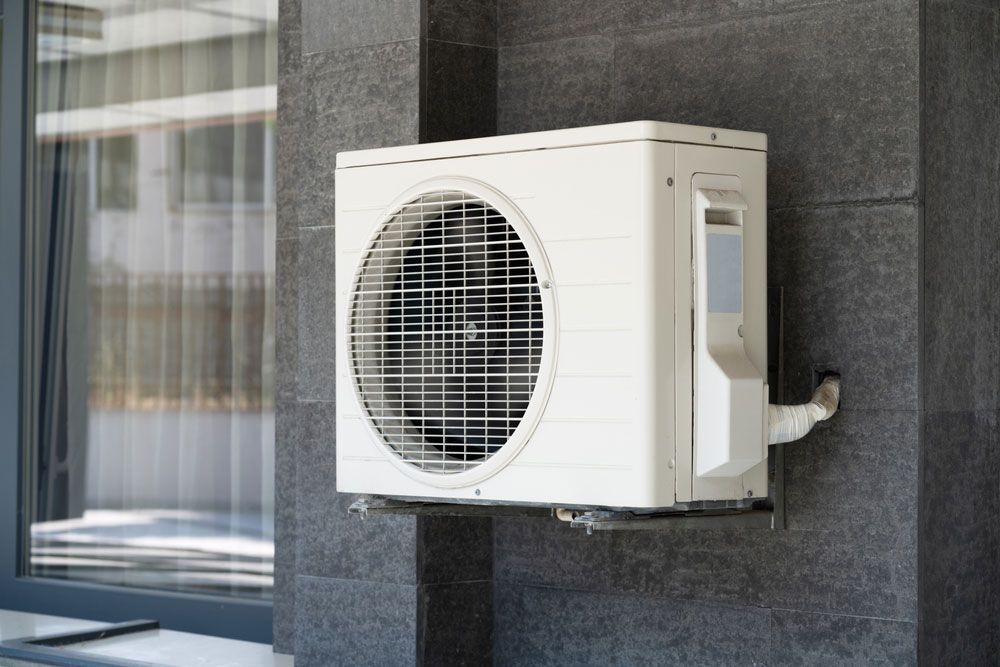
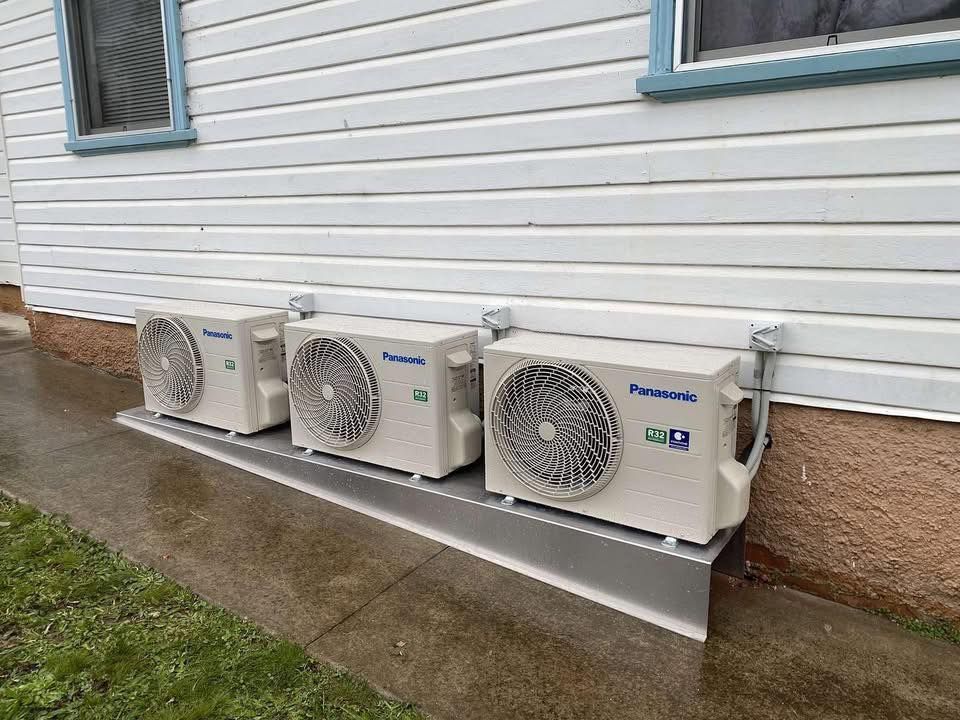
- Mounting or positioning an outdoor condenser
- Making electrical connections
- Potentially completing electrical work at the switchboard
Tenants should therefore start with the landlord or property manager, not an installer. For current tenancy requirements or a disagreement about consent, check directly with NSW Fair Trading rather than relying on general online advice.
Do Landlords Have to Provide Air Conditioning in NSW?
Under current NSW minimum rental standards, landlords aren't specifically required to provide an air conditioner in every rental property. The minimum standards cover matters including structural soundness, lighting, ventilation, electricity or gas, plumbing and drainage, water supply and bathroom facilities.
NSW has considered additional minimum energy efficiency standards that could include cooling, but tenants and landlords should check NSW Government guidance for the current rules before making decisions.
That distinction is important. A tenant wanting better summer cooling doesn't automatically mean the landlord must install a new split system. However, a landlord can still choose to install one as an improvement to the property.
Across Byron Bay, Ballina, Lismore and surrounding Northern Rivers communities, summer heat and humidity make effective cooling an important comfort consideration. A professionally installed system may also make a rental more appealing to tenants looking for year-round comfort.
Who Pays for an Air Conditioner in a Rental Property?
There isn't one arrangement that applies to every voluntary air-conditioning upgrade. The landlord might purchase and install the system as an improvement to the property. Alternatively, a tenant may ask whether they can contribute towards an installation they particularly want.
Whatever arrangement is proposed, put it in writing before ordering equipment or booking an installer. Clarify:
- Who is buying the air conditioner
- Who is paying for installation
- Who will own the system
- Where the indoor and outdoor units can be positioned
- Who will arrange the installer
- What happens when the tenancy ends
- How future servicing and repairs will be managed
Landlords should also consider the long-term implications rather than choosing solely on the lowest upfront aircon installation cost. Once a fixed system becomes part of the property, reliability, serviceability and installation quality become important for future tenancies as well.
Why Isn't a Split System a DIY Installation?
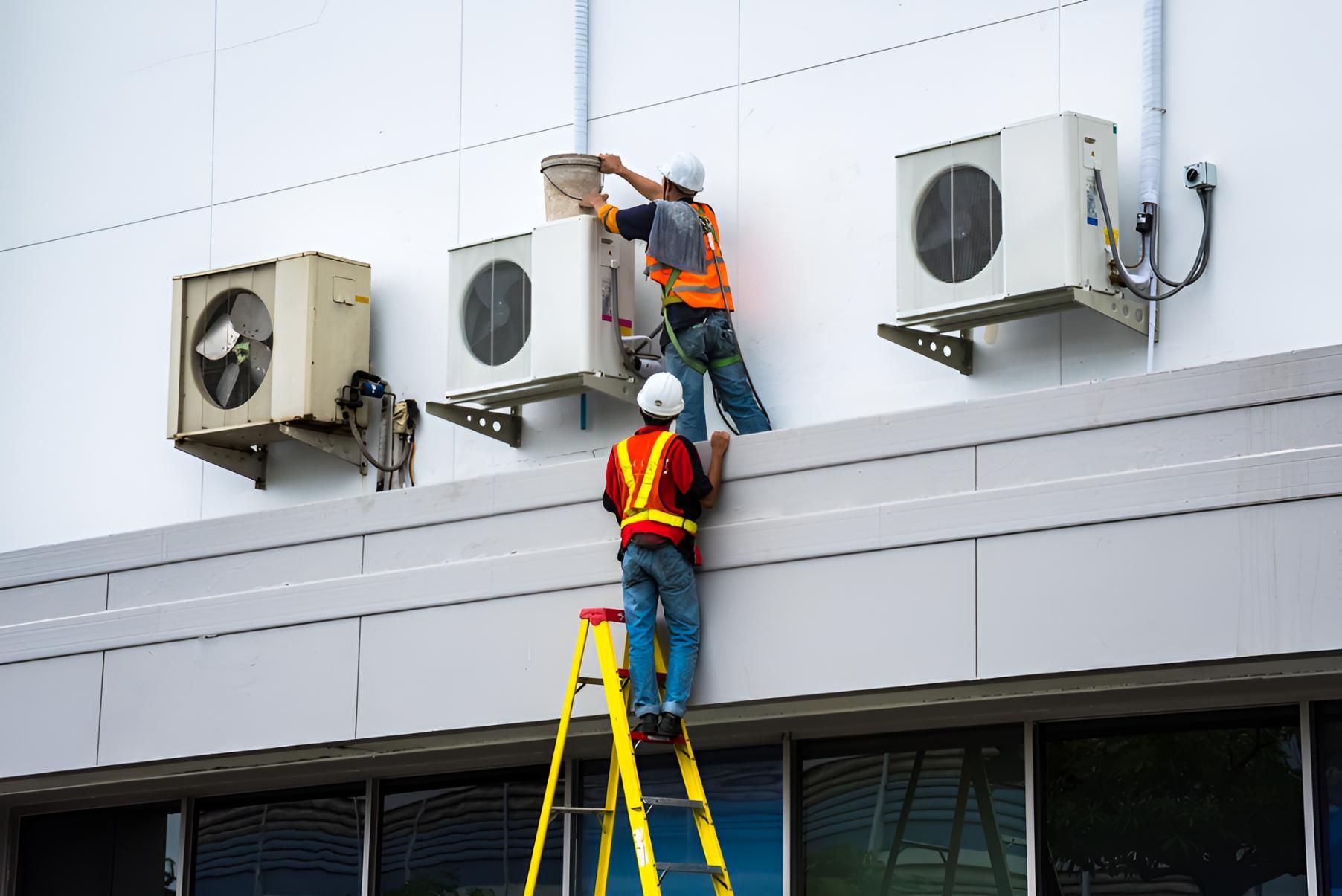
A split system isn't simply an appliance that can be unpacked and plugged into a power point. The indoor and outdoor components need to be connected correctly, and the installation involves refrigerant pipework. Electrical work may also be required depending on the system and existing electrical setup.
Australian Refrigeration Council requirements mean technicians handling refrigerant need the appropriate Refrigerant Handling Licence for the work they perform.
Coolman Air Conditioning holds ARCtick No. L005337, providing landlords and tenants with a clear credential to check when arranging professional installation.
Installation quality can also affect how reliably and efficiently the system operates. Coolman covers this in more detail in
Why is Professional Air Conditioning Installation Important? For a rental property, professional installation also gives the owner a clearer record of who completed the work.
What Should Landlords Consider Before Approving a Split System?
Approval shouldn't be based solely on whether the tenant wants air conditioning. The proposed system needs to make sense for the property.
Is the system correctly sized?
Bigger isn't automatically better. The installer should consider room dimensions and other relevant factors before recommending capacity. An unsuitable system may operate inefficiently or struggle to provide the expected comfort.
Where will the outdoor unit go?
Outdoor-unit placement matters for airflow, servicing access, drainage and noise. In a rental complex or strata property, there may also be additional requirements relating to common property or external appearance. Owners should check any applicable strata requirements before authorising installation.
What condition is the electrical system in?
Depending on the property and selected unit, electrical work may be required to support the installation safely. This should be identified before the job rather than discovered after the system has already been purchased.
Where will condensate drain?
Air conditioners remove moisture from indoor air, so the installation needs an appropriate way to manage condensate. That is particularly relevant in the humid Northern Rivers climate, where a system may spend considerable time dehumidifying while cooling.
Is Air Conditioning Worth Installing in a Northern Rivers Rental?
For many landlords, the decision comes down to tenant comfort, the property's features and the value of making a long-term improvement. Northern Rivers conditions can make cooling a genuine consideration during warmer months.
Areas including Byron Bay and Ballina experience humid coastal conditions, while inland parts of the region such as Lismore can also experience significant summer heat. A fixed reverse-cycle split system can provide both cooling and heating from one installation.
Example: A Ballina landlord owns a two-bedroom unit with a warm west-facing living room and no fixed cooling. A tenant asks permission to install an air conditioner before summer. Rather than approving a system selected online, the owner arranges an assessment, confirms a suitable unit and location, and has the installation professionally completed.
The current tenant gets better comfort, while the system remains a feature of the property for future tenancies. That approach is generally more practical than treating the installation as a temporary tenant modification.
How Much Does Split System Installation Cost?
There is no useful single figure for every split system installation cost because properties and installations vary. Factors affecting the final quote can include:
- System capacity and model
- Distance between indoor and outdoor units
- Wall construction
- Access
- Mounting requirements
- Pipework length
- Condensate drainage
- Electrical requirements
- Switchboard condition
- Installation complexity.
A straightforward installation can therefore have a very different scope from a system requiring a difficult outdoor-unit position or additional electrical work.
Landlords comparing quotes should check what is actually included rather than looking only at the bottom-line figure.
Once written consent and the installation details are confirmed, a professional
split system installation can be planned around the property and tenant.
What Should Tenants Include When Asking Their Landlord?
A clear request makes it easier for the owner or property manager to make a decision. Instead of simply asking, "Can I install air conditioning?", provide useful information about the proposal. Include:
- The room you want to cool
- Why you're requesting the system
- Whether you're asking the landlord to fund it
- Whether you've discussed suitable options with an installer
- That installation will be professionally completed
- Proposed indoor and outdoor unit locations, if known
Don't book the installation until the necessary consent is confirmed in writing. If you're unsure about your rights or the landlord's obligations, NSW Fair Trading should be your source for current tenancy information.
Planning Air Conditioning Across the Northern Rivers
Whether you're a tenant making a request or a landlord considering an upgrade, treat a split system as a permanent property installation rather than a portable appliance.
Get the required consent sorted first. Then choose an appropriate system, confirm where both units will go and use properly licensed professionals for the relevant installation work.
The key takeaway is simple: tenants should not arrange permanent air-conditioning alterations first and ask permission later. A little coordination between tenant, landlord, property manager and installer can prevent disputes and produce a better result for the property.
Coolman Air Conditioning provides air conditioning installation across the Northern Rivers, including Byron Bay, Ballina, Lismore and surrounding areas. If you're still asking can a tenant install an air conditioner, confirm the tenancy side with your landlord or NSW Fair Trading, then contact Coolman to discuss the practical installation requirements for the property.
Frequently Asked Questions
Can a tenant install an air conditioner in NSW?
A tenant should generally obtain the landlord's written permission before installing a fixed split-system air conditioner unless the tenancy agreement already permits the change. Check current NSW Fair Trading guidance for the rules applying to your tenancy.
Do landlords have to provide air conditioning in NSW?
Current NSW minimum rental standards don't specifically require every rental home to have air conditioning. Landlords still have broader obligations concerning rental property standards, so check NSW Fair Trading for current requirements relevant to your situation.
Can a landlord refuse an air conditioner installation?
Whether consent can be refused depends on the nature of the proposed alteration and the tenancy circumstances. Because fixed split systems can involve permanent modifications, tenants should seek written approval and use NSW Fair Trading for current tenancy guidance or disputes.
Who should install a split-system air conditioner?
Installation involving refrigerant must be carried out by a technician with the appropriate refrigerant-handling licence. Electrical components of the work must also be completed by appropriately licensed people where required.
Is a portable air conditioner easier for a rental?
A portable unit generally involves fewer property alterations than a fixed split system, although its suitability depends on the room, window arrangement and lease conditions. Tenants should still check their agreement and any relevant property requirements.
What should landlords check before approving an air conditioner?
Consider system size, indoor and outdoor unit placement, electrical requirements, drainage, installation quality and any strata restrictions. The ownership, cost and future maintenance arrangements should also be clear before work starts.